- Thoughts and everyday habits
- Skills focused
- Collaborative approach
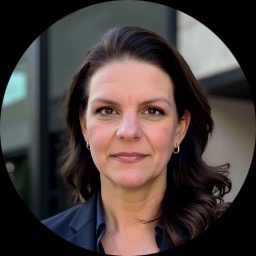
About Amanda
Her style is collaborative and straightforward. Sessions focus on spotting unhelpful thought patterns and daily habits that get in the way. She mixes practical skill-building with time to talk through painful experiences and recurring patterns.
Amanda uses approaches that prioritize the client’s perspective and skills practice. She draws on Client-Centered Therapy to keep the work focused on each person’s goals. She also uses Cognitive Behavioral Therapy (CBT) to help people test and change thoughts and behaviors, and Dialectical Behavior Therapy (DBT) for emotional regulation and distress tolerance.
Her background includes a decade of supporting people with complex mental health needs and trauma. Amanda has worked with people facing systemic barriers, high-conflict family situations, and long-standing stress. She aims to pair insight with doable steps so progress feels real and lasting.
People who work with Amanda can expect clear goals, skill-building, and honest conversation. To begin, visitors should use the site’s Start Therapy process to match and schedule according to availability.
Areas of expertise
Primary focus
Also works with
Additional focus areas
Therapeutic approaches
Experience
10+ years
Credentials
Indiana
Languages
English
How Amanda integrates therapy approaches online
Amanda uses several practical methods that translate well to remote work. Client-Centered Therapy keeps sessions focused on the person’s goals and experience, letting the therapist follow the client’s lead and priorities. Cognitive Behavioral Therapy, or CBT, teaches concrete skills to notice and change unhelpful thoughts and daily habits, which can be practiced between sessions. Dialectical Behavior Therapy, or DBT, emphasizes emotional regulation, distress tolerance, and interpersonal skills useful for managing intense feelings and conflict.Finding the right approach is part of the work together. Amanda will talk with each person about goals and preferences and will suggest which methods to try first. This is a collaborative process and can be adjusted as needs change.
Session formats are not listed in the biography, so confirm current options before booking. Online work can make it easier to fit sessions into a busy life, for example by reducing travel time, allowing shorter check-ins on a work break, or avoiding the need to be on camera when that feels difficult. Amanda aims to help people translate skills into daily routines so therapy supports real-world changes.
Frequently asked questions
What kinds of concerns does Amanda address?
She works with stress, anxiety, depression, trauma and abuse, and related issues such as addictions, compassion fatigue, relationship and family concerns, parenting, ADHD, and bipolar challenges.
How would you describe her way of working?
Her approach is collaborative and structured. Sessions mix talking through problems with practical exercises to change thoughts and habits.
What is her clinical background?
She has ten years of experience as a clinician supporting people with complex mental health needs and trauma, including those affected by high-conflict family systems and chronic stress.
What credential does she hold and where is she located?
She is a Licensed Clinical Social Worker (LCSW) in Indiana.
Which languages are supported in sessions?
Sessions are offered in English.
Can I work with her from outside the United States?
International clients are not currently accepted.
How are fees handled?
Cost varies with location and therapist availability; sessions use a subscription that can be canceled at any time.
How do I start a session with her?
Select the Start Therapy button, complete a short matching questionnaire, and schedule according to therapist availability.