- Thoughts and habits
- Trauma-aware
- Practical goals
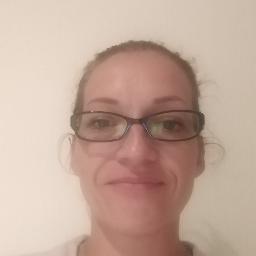
About Anne
People come to her with a wide range of concerns, such as stress, addictions, relationship difficulties and grief. She also supports those coping with trauma, mood disorders including bipolar, ADHD and issues around self-esteem or body image. Her work pays attention to the thoughts and everyday habits that shape people’s lives and choices.
In sessions Anne aims to create space for people to talk through what matters to them. She uses gentle exploration of past experiences alongside practical steps to change unhelpful patterns. That can involve inner child work and trauma-focused techniques as appropriate.
Her style is person-centred and pragmatic. She helps clients set small, achievable goals and reviews progress as therapy continues. She draws on Jungian ideas when helpful to consider meaning, symbols and personal stories.
Anne’s practice suits people who want a mix of emotional reflection and clear, real-world strategies. The therapeutic focus is on shifting day-to-day thoughts and habits so life feels more manageable. To begin, readers can use the site process to match and schedule a first appointment.
Areas of expertise
Primary focus
Also works with
Additional focus areas
Therapeutic approaches
Experience
12+ years
Credentials
NCPS · United Kingdom
Languages
English
How attachment and trauma work online can change day-to-day habits
Anne uses attachment-based ideas to look at how early relationships shape current everyday thinking and habits. This approach helps when worries, trust issues or communication patterns cause ongoing stress or relationship strain. Client-centred work means sessions focus on the person and their experience, with the therapist following the client’s lead while offering support and reflection. Trauma-focused methods target memories and reactions from past hurt and aim to reduce their impact on daily life.Finding the right therapeutic approach is part of the process. Anne will work collaboratively to decide whether attachment work, client-centred listening or trauma-focused steps best match a person’s goals and needs. This is discussed openly and reviewed as therapy progresses so adjustments can be made together.
Please confirm current session options before booking, as the biography does not list formats. Online therapy can make fitting sessions into busy days easier and can reduce travel time. It can also allow shorter check-ins or sessions that do not need video, depending on what suits someone practically. Ask about the specific formats available when you schedule so sessions match your day-to-day life and needs.
Frequently asked questions
What kinds of problems does she help with?
She supports people with stress, anxiety, depression and addictions, and also works with trauma, relationship and grief issues among other concerns.
What is her general therapy style?
Her approach is integrative and person-centred, combining active listening with solution-focused steps to address thoughts and everyday habits.
How much experience does she have?
She has 12 years of practice working with adults on mood, trauma, personality and behavioural concerns.
Where is she based and what credential does she hold?
She practises in the United Kingdom and is registered with NCPS, which is shown as her credential.
Which languages are supported for sessions?
Sessions are offered in English.
Can people from other countries work with her?
She is not accepting international clients at this time and works with people based in the United Kingdom.
How are fees and billing handled?
Costs vary with location and therapist availability; sessions use a subscription that can be cancelled at any time.
How do I begin therapy with her?
Use the Start Therapy button, complete a short matching questionnaire, and then schedule a session according to therapist availability.