- Thoughts and habits
- Practical coping skills
- Compassionate listener
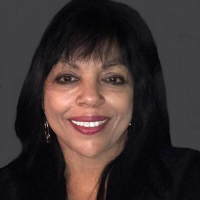
About Audrey
In sessions she listens closely and adapts the pace to what feels useful. Audrey uses clear, concrete steps when helpful and spends time talking through feelings and patterns. She encourages practical habits that can change daily thinking and reduce reactive behavior.
Her background includes long-term clinical work in California. Over more than two decades she has helped people facing depression, addiction, isolation, and problems rooted in family of origin or attachment. She also supports those dealing with midlife transitions, aging issues, and the fallout from divorce and separation.
Therapy draws on approaches that focus on the person as a whole and on changing unhelpful thoughts and behaviors. Audrey blends listening with skill-building so people leave sessions with things they can try between meetings. She also works with emotional patterns that affect intimacy and communication.
Audrey asks new clients to select the Start Therapy button and complete a short matching questionnaire. From there people schedule sessions according to her availability so the work can begin at a realistic pace.
Areas of expertise
Primary focus
Also works with
Additional focus areas
Therapeutic approaches
Experience
22+ years
Credentials
California
Languages
English
How her approaches shape online work
Client-Centered Therapy focuses on listening and creating a collaborative space where a person’s goals guide the work. It helps with stress, self-esteem, relationship concerns, and finding clearer direction in life.Cognitive Behavioral Therapy, or CBT, looks at the links between thoughts, feelings, and actions and teaches concrete skills to change unhelpful thinking or behavior. CBT is often used for anxiety, depression, and substance use patterns.
Dialectical Behavior Therapy, DBT, builds skills for emotion regulation, distress tolerance, and better interpersonal effectiveness. It can be useful when strong emotions or impulsivity interfere with everyday life.
Choosing the right approach is part of the first conversations. The therapist will work together with each person to pick methods that match their needs, goals, and preferences rather than prescribing a single path. That collaborative process can be adjusted over time as things change.
If you want online sessions, confirm the current session options before booking since formats are set by the therapist. In general, online work can make it easier to fit appointments into busy days, reduce travel time, allow shorter check-ins when needed, and let people practice skills in the settings where their habits occur.
Frequently asked questions
What kinds of concerns does Audrey help with?
She supports people facing stress, anxiety, depression, addictions, relationship strain, trauma, grief, parenting challenges, self-esteem issues, career stress, and coping with life changes.
How would you describe her therapy style?
Her style is respectful and compassionate with a practical focus. She listens closely, tailors dialogue, and offers habits and skills to try between sessions.
What is her clinical background?
She has 22 years of professional experience working in California with people affected by depression, addiction, attachment and family of origin issues, and midlife transitions.
What credentials does she hold and where is she based?
She is a licensed marriage and family therapist, LMFT, practicing in California.
Which languages are sessions offered in?
Sessions are offered in English.
Can people outside the U.S. work with her?
International clients are not currently accepted.
How are sessions paid for and what does cost look like?
Costs vary with location and therapist availability; sessions use a subscription that can be canceled at any time.
How do I begin therapy with her?
Select the Start Therapy button, complete a short matching questionnaire, and schedule sessions according to the therapist's availability.