- Thoughts and everyday habits
- Practical coping strategies
- Relationship and life stress
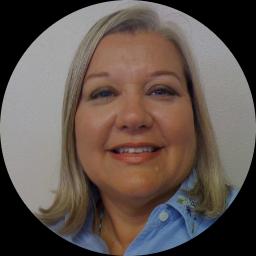
About Betsy
Her approach is practical and grounded. She uses methods such as Acceptance and Commitment Therapy, Cognitive Behavioral Therapy, and Emotionally-Focused Therapy to help people change unhelpful thoughts and daily habits. Sessions focus on small, doable steps that fit into everyday life rather than overwhelming plans.
Dr. Puentes supports people working through relationship concerns, addiction, trauma and abuse, anger, and LGBT-related issues. She also addresses problems like abandonment worries, attachment struggles, caregiver stress, chronic illness or pain, and body image difficulties. She helps people develop clearer communication and better coping skills.
Therapy with her emphasizes collaboration. She treats clients as the experts on their own lives and helps them try new ways of responding to old patterns. That often means practicing different thoughts and everyday habits between sessions to make gradual, real changes.
To begin, people complete a short matching questionnaire and schedule according to availability. Sessions use a subscription that can be canceled at any time, and costs vary with location and therapist availability.
Areas of expertise
Primary focus
Also works with
Additional focus areas
Therapeutic approaches
Experience
46+ years
Credentials
Texas, Texas
Languages
English
How therapy approaches are used online
Acceptance and Commitment Therapy (ACT) helps people notice unhelpful thoughts and choose actions that match their values. It focuses on accepting difficult feelings and committing to small behavior changes that matter. Cognitive Behavioral Therapy (CBT) looks at the link between thoughts, feelings, and actions and teaches practical skills to shift patterns that keep problems going. Emotionally-Focused Therapy (EFT) centers on emotions within relationships and helps people improve connection and communication.Finding the right approach is part of the work. The therapist will talk with each person about goals and preferences and then try methods that fit those needs. Treatment is collaborative - the therapist and client decide together what feels most useful and adjust as they go.
The original biography does not list specific online formats, so confirm available session options before booking. Online sessions can make it easier to fit therapy into a busy schedule, reduce travel time, and allow shorter check-ins when needed. Many people find digital sessions let them practice new thoughts and everyday habits between meetings, which supports steady progress.
Frequently asked questions
What concerns does she help with?
She supports people dealing with stress, anxiety, depression, low self-esteem, career difficulties, addictions, relationship struggles, trauma and abuse, anger, and related issues.
What is her therapeutic style like?
Her style is collaborative and practical. She listens first, then works on small, actionable changes to thoughts and everyday habits.
How much clinical experience does she have?
She has 46 years of professional experience in mental health practice and a background in clinical and counseling psychology.
What credentials and where is she based?
She holds LMFT and LPC credentials and practices in Texas.
Which languages are supported?
Sessions are offered in English and she does not accept international clients at this time.
What session formats are offered?
The original biography did not specify session formats; please confirm current session options before booking.
How does payment and cost work?
Costs vary with location and therapist availability; sessions use a subscription model that can be canceled at any time.
How do I get started?
Use the Start Therapy button, complete a short matching questionnaire, and schedule based on the therapist's availability.