- Addictions and relationships
- Thoughts and habits
- Practical coping skills
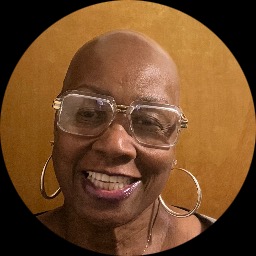
About Brenda
Brenda holds the LCSW credential, which stands for licensed clinical social worker. She brings 27 years of experience working with individuals on issues such as abandonment, attachment challenges, communication problems, and substance use. Her background includes supporting people who face complex life stressors and painful past experiences.
In sessions she uses a blend of approaches to match what each person needs. That might mean looking at unhelpful thinking patterns, building coping skills, or clarifying values to guide choices. She focuses on concrete tools you can try between visits to notice small changes over time.
Brenda emphasizes respect, sensitivity, and compassion in her work. Conversations and treatment plans are shaped around each person’s priorities. She encourages taking small steps toward a more fulfilling life and offers steady support throughout that process.
People who want clear, straightforward help with thoughts and everyday habits often find this style helpful. If you want to understand patterns that keep repeating and practice different ways of coping, Brenda may be a practical partner in that work.
Areas of expertise
Primary focus
Also works with
Additional focus areas
Therapeutic approaches
Experience
27+ years
Credentials
Ohio, Oregon, Arizona
Languages
English
How therapy approaches shape online work
Acceptance and Commitment Therapy, or ACT, helps people notice unhelpful thoughts and choose actions that align with what matters most. It can be useful for depression, anxiety, and habits that feel stuck. Cognitive Behavioral Therapy, or CBT, focuses on identifying and changing thought patterns and behaviors that keep problems going, which can help with mood, anger, and substance use. Dialectical Behavior Therapy, or DBT, teaches practical skills for emotion regulation, distress tolerance, and clearer communication when feelings run high.Choosing the best approach is often a collaborative process. The therapist will talk with each person about their goals, try out methods, and adjust the plan based on what helps most. Clients and the therapist decide together which techniques to emphasize over time.
Confirm available session formats before booking so you know how sessions are scheduled. Online therapy can make it easier to fit regular sessions into a busy life, reduce travel time, and allow shorter check-ins when schedules are tight. It also lets people practice skills between meetings in their everyday routine, which can help turn small changes into lasting habits.
Frequently asked questions
What concerns does Brenda commonly address?
She works with people facing addictions, relationship problems, trauma and abuse, anger, depression, and self-esteem issues. Additional focuses include attachment difficulties, communication problems, hoarding, and veteran-related concerns.
How would you describe her therapeutic style?
Her style is straightforward and compassionate, with an emphasis on practical steps. Sessions often focus on changing everyday thoughts and habits that get in the way of daily life.
What sort of experience does she bring?
She has 27 years of professional experience working with people on a range of concerns including substance use, family issues, and trauma-related problems.
Where is she licensed and based?
She holds the LCSW credential and is licensed in Arizona and Oregon, and practices in Ohio. The LCSW designation stands for licensed clinical social worker.
Which languages are available for sessions?
Sessions are offered in English.
Can international clients work with her?
She does not accept international clients at this time.
How are costs and billing handled?
Costs vary with location and therapist availability; sessions use a subscription that can be canceled at any time.
How do I begin working with her?
Click the Start Therapy button, complete a short matching questionnaire, and schedule a session based on therapist availability.