- Integrative approach
- Flexible hours
- BACP registered
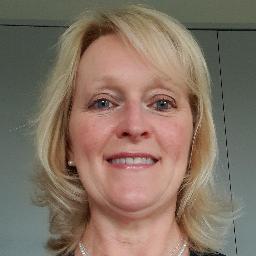
About Carol
She uses an integrative approach, drawing on several ways of working to fit each person’s needs. In sessions she listens, reflects, and helps people notice unhelpful thought patterns and everyday habits that keep problems going. The aim is practical change rather than labels or long explanations.
Her background includes many years in health services, and she keeps skills current by attending regular professional courses. This experience informs how she supports people with stress, anxiety, grief and depression, and with relationship and family concerns.
Carol also works with people affected by adoption and foster care, ageing and geriatric issues, chronic illness and pain, caregiving stress, body image and several personality-related concerns. She describes herself as empathetic and genuine, offering a trusting space where people can explore what matters to them.
She offers flexible scheduling, including evenings and weekends on request. To begin, prospective clients complete a short matching questionnaire and then arrange sessions according to the therapist’s schedule.
Areas of expertise
Primary focus
Additional focus areas
Therapeutic approaches
Experience
7+ years
Credentials
BACP · United Kingdom
Languages
English
How these approaches can fit into online counselling
Acceptance and Commitment Therapy helps people notice thoughts and feelings without getting stuck in them and then take small steps towards what matters. It can be useful for anxiety, stress and low mood. Cognitive Behavioural Therapy looks at the link between thoughts, feelings and actions and teaches practical ways to shift unhelpful thinking and habits, which often suits people who want clear tools to try between sessions.Finding the right approach is part of the work. Carol will discuss which methods feel most useful and will adapt sessions to a person’s goals and preferences. This is a collaborative process where steps are tested and adjusted over time rather than set in stone at the start.
If you are considering online sessions, confirm the exact session formats before booking. Many people find online work helps fit counselling into a busy life, for example by avoiding travel, making it easier to access evening or weekend appointments, or allowing shorter check-ins when time is limited. Talk with the therapist about practical arrangements and what will make sessions manageable for you.
Frequently asked questions
What kinds of problems does this counsellor help with?
Carol works with stress, anxiety, grief and depression, and supports people with relationship and family concerns. She also has additional focus areas such as adoption and foster care, chronic illness, caregiving stress and body image.
How would you describe the therapy style?
She takes an integrative, person-centred style and adapts methods to each person. Sessions focus on talking through thoughts and everyday habits and finding practical ways to make changes.
What is her professional background?
She has seven years of counselling experience and many more years working in UK health services. She also attends ongoing training to keep her practice up to date.
Where is the counsellor based and what credential does she hold?
She is based in the United Kingdom and is registered with the British Association for Counselling and Psychotherapy (BACP).
Which languages are used in sessions?
Sessions are offered in English.
Can people outside the UK work with this counsellor?
International clients are not currently accepted; sessions are arranged for people within the United Kingdom.
How is payment handled and what does it cost?
Cost varies with location and therapist availability and sessions use a subscription that can be cancelled at any time.
What are the first steps to begin working together?
Start by selecting the Start Therapy button, completing a short matching questionnaire, and then scheduling sessions according to the therapist’s availability.