- Strengths focused
- Skill based
- Collaborative care
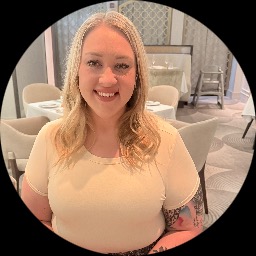
About Cassandra
She began her career supporting people with chemical dependence and expanded her focus to work with a wider range of mental health concerns. Sessions focus on building small, practical skills that fit into everyday life. Cassandra emphasizes each person's strengths and preferences when planning next steps.
Cassandra uses a mix of evidence-based approaches. She draws from cognitive-behavioral ideas to notice and shift unhelpful thinking. Mindfulness and acceptance tools are used to increase present-moment awareness and to reduce stuck patterns. Dialectical skills are introduced when people need help with emotional regulation and tolerating strong feelings.
In the room she listens for what matters most to the client and works collaboratively to set realistic goals. Conversations move at a pace the person can handle, with concrete strategies to try between sessions. She helps people name small wins and adjust plans when needed.
Her practice includes work on related concerns such as attachment or abandonment worries, caregiver stress, body image, and coping after disasters. Cassandra supports people navigating co-occurring challenges and helps them prioritize what to tackle first.
Areas of expertise
Additional focus areas
Therapeutic approaches
Experience
9+ years
Credentials
Ohio
Languages
English
Approaches that translate well to online therapy
Acceptance and Commitment Therapy (ACT) encourages noticing thoughts and values-guided action rather than getting stuck trying to control every feeling. It can help with anxiety, low motivation, and making decisions that match what matters most. Cognitive Behavioral Therapy (CBT) focuses on identifying unhelpful thinking patterns and testing new behaviors; it is useful for anxiety, depression, and habits linked to stress. Mindfulness Therapy offers short practices to increase present awareness and reduce reactivity, which supports emotion regulation and coping with cravings or overwhelming feelings.Finding the right approach is part of the work. Cassandra collaborates with each person to choose methods that match their needs, goals, and comfort level. She adapts techniques over time so sessions feel useful and relevant rather than one-size-fits-all.
Confirm current session options before booking, as specific formats are not listed here. In general, online therapy can make it easier to fit sessions into a busy life, reduce travel time, and allow brief check-ins when a full in-person appointment isn't feasible. Some approaches lend themselves to short skill practice between sessions and simple worksheets people can use at home to track progress. Licensed professionals and therapists often combine talk, guided exercises, and between-session work to help people build new habits and notice shifts in thinking.
Frequently asked questions
What kinds of problems does Cassandra address?
She works with stress, anxiety, addictions, trauma and abuse, low self-esteem, and depression. Additional focus areas include attachment concerns, caregiver stress, body image, and related challenges.
What is her therapeutic style like?
Her style is collaborative and practical, emphasizing small, usable skills. Sessions center on the person's strengths and real-life changes rather than lengthy theory.
How much experience does she have?
She has nine years of professional experience, beginning with work in chemical dependence and expanding to broader mental health care.
What credential does she hold and where is she located?
She holds the LPCC credential and practices in Ohio.
Which languages are used in sessions?
Sessions are offered in English.
Can international clients work with her?
She is not accepting international clients at this time.
How are fees handled?
Cost varies with location and therapist availability; sessions use a subscription that can be canceled at any time.
How do I get started working together?
Click the Start Therapy button, complete a short matching questionnaire, and schedule according to the therapist's availability.