- Thoughts and habits
- Client-centered listening
- Goal-focused planning
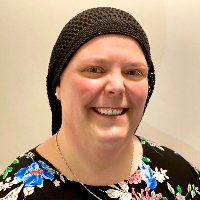
About Chana
She begins by listening with a person-centered stance to build trust and understand each person's goals. From that base she helps set clear outcomes and a step-by-step plan. Her approach is flexible and guided by the client’s needs rather than a single method.
Over her career she has worked with people coming out of institutional settings, survivors of abuse and neglect, and those facing severe depression, anxiety, trauma, chronic pain, and substance-related issues. That history informs how she combines practical skills and longer-term insight work.
In sessions she mixes techniques drawn from attachment-based ideas, cognitive behavioral strategies, dialectical behavior tools, and client-centered listening. The work often focuses on changing unhelpful thought patterns and everyday habits, improving communication, and building tolerable routines.
She asks clients to identify specific outcomes so progress is measurable. The tone in sessions is direct and respectful, with an emphasis on doable steps that fit into daily life. To begin, readers are invited to follow the site’s Start Therapy flow and schedule according to therapist availability.
Areas of expertise
Primary focus
Also works with
Additional focus areas
Therapeutic approaches
Experience
25+ years
Credentials
Texas
Languages
English
How Chana’s approaches guide online work
Chana uses attachment-based ideas to look at how early relationships shape current patterns. This helps when trust, closeness, or fear of abandonment affect daily life and relationships.She also uses client-centered methods, which means sessions begin with listening and follow the client’s lead. That approach supports people who need a respectful space to sort out goals and priorities.
Cognitive Behavioral Therapy (CBT) is part of the toolbox when unhelpful thoughts and habits cause distress. CBT offers concrete exercises to test beliefs, change thinking patterns, and build new routines that feel manageable.
Finding the right approach is a collaborative process. The therapist will talk with each person about goals, preferences, and what feels most useful. Together they refine which methods to use and how to pace the work so it fits the client’s life.
Practical online therapy benefits include easier fit into daily schedules and fewer barriers to keeping appointments. If you are considering remote sessions, confirm the session options before booking so you know what formats are available. The aim is to make therapy accessible and to work on thoughts and everyday habits that carry into normal life.
Frequently asked questions
What kinds of concerns does Chana help with?
She supports people with stress, anxiety, depression, trauma and abuse, grief, addictions, relationship and intimacy issues, ADHD, parenting strain, career concerns, and many related challenges.
How would you describe her therapeutic style?
She starts from a person-centered stance, listening first and then helping set clear goals. From there she uses practical techniques chosen with the client to address thoughts and everyday habits.
What is her background in counseling?
She has worked in counseling since 1994 and has experience with people leaving institutional care and with survivors of abuse, as well as with a range of mood, trauma, and addiction issues.
What credentials and location are on record?
She holds the LPC credential and practices in Texas.
What languages are sessions offered in?
Sessions are offered in English.
Does she accept clients outside the country?
International clients are not currently accepted.
How are session costs handled?
Cost varies with location and therapist availability; sessions use a subscription that can be canceled at any time.
How do I start working with her?
Use the Start Therapy button, complete a short matching questionnaire, and schedule according to therapist availability.