- Thoughts and habits focus
- Skills-based tools
- Collaborative style
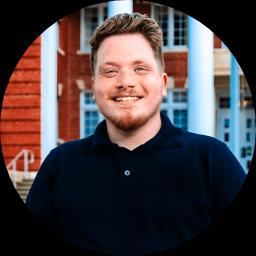
About Christopher
He favors straightforward, goal-focused conversations. Sessions focus on identifying unhelpful thought patterns and everyday habits that get in the way of feeling better. Christopher uses tools from cognitive behavioral approaches and mindfulness to help clients notice thoughts and change routines that fuel distress.
His approach is collaborative and practical. He draws on client-centered methods to follow each person’s priorities, and motivational interviewing to strengthen readiness for change. Dialectical behavior therapy skills are used when regulation and impulse control are central concerns.
Christopher has worked with people dealing with sexual concerns, issues related to LGBT identity, compulsive sexual behaviors such as pornography use, and communication difficulties. He also addresses life transitions, parenting stress, compassion fatigue, and complicated grief in straightforward, skills-based sessions.
He encourages anyone who is ready to try for a more fulfilling life to take a first step. Prospective clients complete a short matching questionnaire and schedule sessions based on availability.
Areas of expertise
Primary focus
Also works with
Additional focus areas
Therapeutic approaches
Experience
8+ years
Credentials
Florida
Languages
English
How his approaches shape online therapy
Client-centered therapy emphasizes listening and following the client's priorities. It gives people space to set their own goals while the therapist reflects and clarifies what matters most. Cognitive behavioral therapy focuses on identifying unhelpful thoughts and changing everyday habits that reinforce them, which can help with anxiety, depression, and low self-esteem. Dialectical behavior therapy teaches practical skills for emotion regulation, distress tolerance, and managing impulses, useful when strong emotions or impulsivity cause problems.Finding the right approach is part of the work together. Christopher will discuss your needs, goals, and preferences and help decide which combination of methods fits best. This collaboration lets the plan evolve as progress is made and new concerns arise.
The original biography does not specify which online session formats are offered, so confirm available formats before booking. In general, online therapy can make it easier to fit sessions into a busy life, shorten travel time, and allow for quicker check-ins on difficult days. It can also make it simpler to practice skills in real-world settings and to keep consistent momentum between appointments.
Frequently asked questions
What kinds of problems does Christopher address?
He works with stress, anxiety, depression, addictions, grief, trauma and abuse, intimacy issues, and self-esteem concerns among other areas listed in his profile.
How would you describe his therapeutic style?
He keeps sessions practical and collaborative, focusing on thoughts and everyday habits and using skill-building to support change.
What is his background and clinical experience?
Christopher has eight years of experience and holds a Master of Science in Clinical Mental Health Counseling.
Where is he licensed and based?
He is a Florida LMHC and practices from Florida.
Are sessions offered in other languages or internationally?
Sessions are offered in English and he accepts international clients.
What session formats are available?
The original profile does not list specific session formats; please confirm the current session options before booking.
How are fees handled?
Cost varies with location and therapist availability and sessions use a subscription that can be canceled at any time.
How do I begin working with him?
Start by selecting the Start Therapy button, complete the short matching questionnaire, and then schedule according to the therapist's availability.