- Thoughts and everyday habits
- Attachment-aware work
- Practical skill building
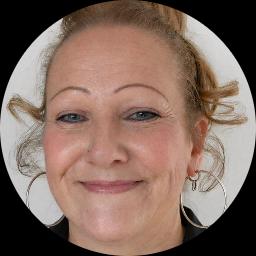
About Claire
Claire uses straightforward conversations to help people reconnect with themselves. She guides clients to clarify values, notice attachment patterns, and build small practical skills to manage mood and stress. Sessions aim to break down worries into manageable steps and to practise new ways of responding to old problems.
With four years of experience, Claire draws on a mix of approaches. She uses Attachment-Based, Client-Centred methods and Cognitive Behavioural Therapy tools alongside narrative ideas and motivational interviewing. These are used to look at how thoughts and everyday routines shape feelings and relationships.
She commonly supports people dealing with trauma, grief, chronic illness or pain, parenting strain, and issues around intimacy and trust. Claire also works with people navigating separation, blended family challenges, and the long-term effects of guilt or shame.
Claire holds NCPS as a credential. She practises in the United Kingdom and offers sessions in English. If you want to begin, you can use the site controls to start the matching process and arrange a first appointment.
Areas of expertise
Primary focus
Also works with
Additional focus areas
Therapeutic approaches
Experience
4+ years
Credentials
NCPS · United Kingdom
Languages
English
How therapeutic approaches shape online work
Attachment-Based work pays attention to how early relationships shape current ways of connecting. Online sessions using this approach help people notice attachment styles and try different ways of relating to others and to themselves.Client-Centred therapy focuses on the person's experience in the moment, with the counsellor offering empathic listening and gentle reflection. This helps people talk through painful thoughts and make sense of what they want to change.
Cognitive Behavioural Therapy or CBT looks at the links between thoughts, feelings and behaviours and uses short practical exercises to shift unhelpful patterns. It is useful for stress, anxiety and for changing everyday habits that keep problems going.
Finding the right approach is part of the work. The therapist will talk with the client about their goals, preferences and what feels useful, then agree on an approach together. Therapy is collaborative and may draw on more than one method as needs evolve.
Confirm the current session options before booking, as the biography does not specify formats. Online sessions can make it easier to fit therapy into a busy day, reduce travel time and allow people to meet from different locations. Some sessions may suit quieter phone check-ins while others work better on video when visual connection helps the conversation.
Frequently asked questions
What concerns does Claire commonly help with?
She supports people with stress, anxiety, depression and relationship or parenting worries, and also helps with trauma, grief and issues around intimacy and trust.
What is Claire's general approach in sessions?
Sessions are conversational and practical, focusing on thoughts and everyday habits. Techniques come from Attachment-Based, Client-Centred and CBT approaches, used to notice patterns and try new responses.
How much experience does she have?
Claire has four years of professional experience working with people on stress, mood and relationship challenges.
What credential does Claire hold and where does she practise?
She holds NCPS and practises in the United Kingdom.
Which languages are available for sessions?
Sessions are offered in English.
Can people outside the UK work with Claire?
She is not currently accepting international clients and works with people within the United Kingdom.
How are sessions paid for and what do they cost?
Cost varies with location and therapist availability; sessions use a subscription model that can be cancelled at any time.
How do I begin working with Claire?
Use the Start Therapy button, complete a short matching questionnaire, and then schedule sessions according to the therapist's availability.