- Person-centered approach
- Practical habit work
- Thought-focused therapy
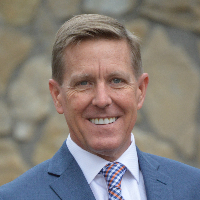
About David
David emphasizes that each person's experience is unique. He helps people name what matters to them and then paints a clearer picture of the life they want. Sessions focus on practical steps as well as understanding patterns that keep problems in place.
He draws on a range of methods to fit each person's goals. Cognitive Behavioral Therapy and Dialectical Behavior Therapy tools are used to change unhelpful thinking and to build skills for managing emotions and behavior. He also uses hypnotherapy and existential ideas when those approaches seem helpful.
David has worked mostly with fear-based struggles like anxiety and stress, and with issues such as addiction, relationship problems, grief, sleep trouble, parenting stress, ADHD, and bipolar depression. He also addresses attachment concerns, codependency, communication problems, and life purpose questions.
In sessions he tends to keep language plain and direct. He helps people notice everyday habits and thought patterns, try small experiments, and adjust steps that fit their life. Prospective clients in Missouri can expect a practical, collaborative style aimed at steady progress.
Areas of expertise
Primary focus
Also works with
Additional focus areas
Therapeutic approaches
Experience
6+ years
Credentials
Missouri
Languages
English
How core approaches guide online therapy
David uses Client-Centered Therapy, Cognitive Behavioral Therapy (CBT), and Dialectical Behavior Therapy (DBT) in ways that suit the person’s needs. Client-Centered Therapy focuses on listening, respect, and helping people decide their next steps. It helps when someone wants a supportive space to figure things out. CBT looks at thoughts and everyday habits to find patterns that keep problems going and then tries different behaviors to change them. DBT teaches skills for managing intense emotions and improving relationships when distress feels overwhelming.Finding the right approach is part of the work. He will collaborate with each person to choose which methods fit their goals and situation. That means trying ideas, checking what helps, and adjusting the plan together rather than imposing a single technique.
If you are considering online sessions, confirm current session options before booking. Online work can make it easier to fit meetings into a busy schedule, reduce travel time, and allow shorter check-ins when needed. It can also make it simpler to continue steady work through life changes. Ask about the specific ways sessions are scheduled and delivered when you complete the matching questionnaire so you know what to expect.
Frequently asked questions
What concerns does he commonly address?
He works with stress, anxiety, depression, addictions, relationship and parenting concerns, grief, sleep problems, bipolar mood issues, ADHD, and related life changes.
How would you describe his therapy style?
He uses a person-centered approach that feels natural and collaborative. He pairs that with CBT and DBT tools to change thoughts and build coping skills.
What is his professional background?
He has six years of experience as a Licensed Professional Counselor and has focused on fear-based struggles such as anxiety, depression, and addiction.
Where is he based and how is he licensed?
He practices in Missouri and holds the credential LPC, which stands for Licensed Professional Counselor.
Can sessions be conducted in other languages?
Sessions are offered in English only.
Are international clients accepted?
International clients are not currently accepted.
How does payment and cost work?
Costs vary with location and therapist availability, and sessions use a subscription that can be canceled at any time.
What are the first steps to begin therapy?
Start by selecting the Start Therapy button, complete the short matching questionnaire, and then schedule sessions according to therapist availability.