- Thoughts and everyday habits
- Practical, goal-focused support
- Results-oriented steps
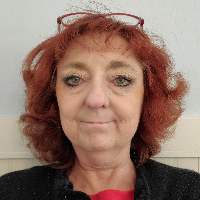
About DeBora
She works in straightforward, goal-focused ways. Sessions often include practical tools for managing emotions and habits. She emphasizes small, measurable changes so clients can see progress and feel more in control.
Turpin draws on approaches such as Cognitive Behavioral Therapy and mindfulness to help reframe thoughts and build new routines. She also uses EMDR and hypnotherapy as part of addressing trauma and deep emotional patterns. The Gottman Method informs her work around relationship and communication challenges.
She brings three years of professional experience and speaks English. Her background includes personal experience with long-term marriage, parenting, and overcoming difficult self-beliefs, which informs her practical, hope-oriented style. She encourages clients to imagine achievable goals and take concrete steps toward them.
Her work often focuses on problems like ADHD, addictions, family issues, chronic illness, caregiving stress, obsessive thoughts, and life transitions. People who want a direct, results-oriented path may find this approach helpful. To begin, confirm current session options before booking.
Areas of expertise
Primary focus
Also works with
Additional focus areas
Therapeutic approaches
Experience
3+ years
Credentials
Oklahoma
Languages
English
How therapeutic approaches translate to online work
CBT, or Cognitive Behavioral Therapy, focuses on identifying and changing unhelpful thought patterns and behaviors. It offers concrete exercises and homework to practice new ways of thinking and acting, which can help with anxiety, depression, and everyday habits.EMDR, Eye Movement Desensitization and Reprocessing, addresses distress tied to traumatic memories by using guided bilateral stimulation alongside memory processing. It is often used when trauma or abuse affects current emotions and behaviors.
Finding the right approach is a collaborative process. The therapist will work with the client to choose methods that match their goals, needs, and preferences and may combine approaches as appropriate. Clients are encouraged to give feedback so the plan can be adjusted over time.
Confirm the current session options before booking, as specific formats are not listed in the profile. Online therapy can make it easier to fit sessions into a busy life, reduce travel time, and allow shorter check-ins when needed. It can also let people continue work with a licensed professional from different locations, including international contexts, depending on scheduling and the therapist's availability.
Frequently asked questions
What kinds of concerns does she help with?
She supports people dealing with stress, anxiety, anger, depression, ADHD, addictions, relationship and family issues, trauma and abuse, bipolar concerns, and life transitions.
How would you describe her therapeutic style?
Her style is practical and goal-focused, using clear steps to change thinking, breathing, and emotional patterns that drive behavior.
What is her professional background?
She has three years of clinical experience and brings personal insight from long-term marriage and parenting to inform her work.
What credentials and location are listed?
She holds an LPC, which stands for Licensed Professional Counselor, and is based in Oklahoma.
Which languages are sessions offered in?
Sessions are offered in English and she accepts international clients.
What session formats are available?
Please confirm current session options before booking, as the profile does not list specific formats.
How is cost handled for sessions?
Cost varies with location and therapist availability, and sessions use a subscription that can be canceled at any time.
How do I get started if I want to work with her?
Select the Start Therapy button, complete a short matching questionnaire, and schedule according to therapist availability.