- Focus on everyday habits
- Practical thinking work
- Warm client-centered care
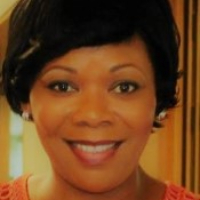
About Deborah
She brings a practical mix of approaches to sessions, including cognitive-behavioral ideas to notice and shift unhelpful thinking. She also draws on client-centered and solution-focused methods to help people find their own answers. Trauma-focused and psychodynamic perspectives inform her work with deep or complicated emotional pain.
Dr. Sims has helped people cope with depression, anxiety, and stress. She also supports those dealing with relationship and intimacy issues, grief, addiction concerns, and career strain. Additional focus areas include abandonment, attachment issues, caregiver stress, and family of origin concerns.
Her background includes a PhD in psychology and extensive graduate study in counseling and behavioral psychology. She holds an LPC credential in the District of Columbia. Those training experiences contribute to a steady, evidence-minded approach in sessions.
In the therapy room she aims to create a straightforward, respectful space. Conversations center on practical steps, clearer thinking, and small habit changes. People leave with clearer goals and everyday tools to try between sessions.
Areas of expertise
Primary focus
Also works with
Additional focus areas
Therapeutic approaches
Experience
20+ years
Credentials
District of Columbia, South Carolina
Languages
English
How therapeutic approaches translate to online care
Client-Centered Therapy focuses on listening and understanding each person without judgment, helping people feel heard and respected as they talk through problems. Cognitive Behavioral Therapy (CBT) looks at how thoughts and everyday habits affect feelings and behavior, offering practical exercises and small habit changes to test between sessions. Trauma-Focused Therapy concentrates on ways to process painful events and reduce their ongoing impact by integrating coping strategies and pacing work to the person's needs.Finding the right approach is part of the work together. The therapist will collaborate with each person to pick methods that match their goals, needs, and preferences. That choice can shift over time as progress is reviewed and new priorities emerge.
Confirm available session formats before booking since format details are not specified here. Online work can make it easier to fit therapy into busy lives, for example by saving travel time, allowing shorter check-ins during a lunch break, or letting someone join when schedules or travel make in-person visits difficult. Licensed professionals can adapt CBT exercises, client-centered conversation, and trauma-focused pacing to remote sessions so people can keep momentum between appointments.
Frequently asked questions
What kinds of concerns does this therapist address?
She works with a broad range of issues including depression, anxiety, trauma and abuse, relationship and intimacy-related problems, addictions, grief, parenting stress, and career concerns.
What is the therapist's general approach in sessions?
Their style blends client-centered listening with cognitive-behavioral techniques and solution-focused planning to help people change thoughts and everyday habits.
How long has she been practicing?
She brings 20 years of clinical counseling experience across multiple settings.
What credentials and location are listed for the therapist?
She holds an LPC credential and practices in the District of Columbia.
Which languages are offered and can international clients work with her?
Sessions are offered in English and she accepts international clients.
What session formats are available?
Session formats are not specified here; please confirm current options before booking.
How is cost handled for sessions?
Cost varies with location and therapist availability, and sessions use a subscription that can be canceled at any time.
How do I begin working with this therapist?
Start by selecting the Start Therapy button, completing a short matching questionnaire, and scheduling according to therapist availability.