- Thoughts and habits
- Stress and anxiety
- Parenting support
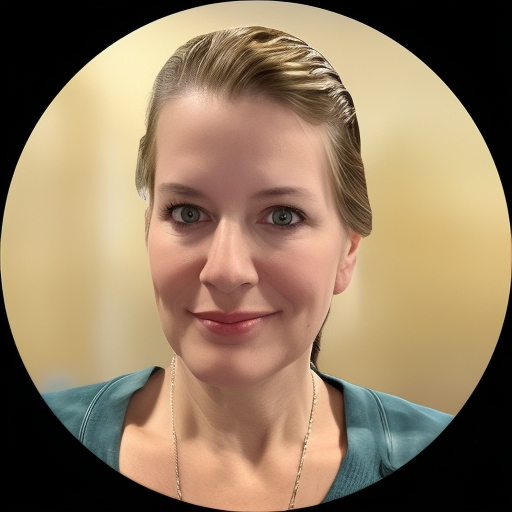
About Diana
Her approach is practical and collaborative. Diana uses clear tools people can use between sessions to change thoughts and habits that keep problems going. Sessions focus on real-life routines, communication patterns, and small steps that add up to change.
Over two decades she has worked with people facing grief, loneliness, caregiver strain, chronic illness, and money-related stress. Diana draws on a mix of evidence-informed methods such as cognitive behavioral ideas, dialectical skills, and solution-focused strategies to tailor work to each person’s needs.
She pays attention to patterns that form in families of origin, blended households, and caregiving situations. That means looking at how past relationships shape current reactions and day-to-day choices. The work often includes practice in setting boundaries, managing emotions, and improving communication.
Diana aims to make therapy manageable for busy lives. Her sessions emphasize small, achievable behavior changes and clearer thinking habits. To begin, prospective clients use the site’s Start Therapy button, complete a short matching questionnaire, and schedule according to therapist availability.
Areas of expertise
Primary focus
Additional focus areas
Therapeutic approaches
Experience
20+ years
Credentials
Indiana
Languages
English
How these approaches guide online therapy
Diana uses cognitive behavioral ideas to help people notice and change thinking and behavior patterns that keep stress and mood problems going. CBT involves identifying unhelpful thoughts, testing them, and practicing small behavior changes that lead to better daily habits.She also uses Dialectical Behavior Therapy skills to teach practical emotion regulation, distress tolerance, and communication techniques. DBT-style skills can help when intense feelings or relationship conflicts make daily life harder.
Choosing an approach is a collaborative process. The therapist will talk with each person about goals, preferences, and what feels most useful. Together they decide whether cognitive strategies, skills training, or a solution-focused plan fits best and then adjust the work as needed.
Many people find online therapy helps fit sessions into a busy week by reducing travel time and making scheduling easier. Confirm the session formats offered before booking to know what options are available. The focus remains on practical tools you can use between meetings to change thoughts, habits, and interactions so therapy fits into everyday life.
Frequently asked questions
What concerns does Diana address?
She works with stress, anxiety, depression, and addictions. She also helps with parenting questions, family conflict, and everyday habit patterns that affect mood.
What is her therapeutic style like?
Her style is collaborative and practical. Sessions focus on thought patterns, daily routines, and small behavior changes that can improve daily life.
How much clinical experience does she have?
She brings 20 years of experience working with adults on mood disorders, relationship dynamics, and life transitions.
What credential and region apply to her practice?
She is an LMFT licensed in Indiana and practices there as a marriage and family therapist.
Which languages are supported in sessions?
Sessions are offered in English.
Can international clients work with her?
She does not accept international clients at this time.
How does billing and cost work?
Cost varies with location and therapist availability, and sessions use a subscription that can be canceled at any time.
How do I start a therapy process?
Select the Start Therapy button, complete a short matching questionnaire, and schedule according to therapist availability.