- Thoughts and everyday habits
- Person-centered care
- Practical tools
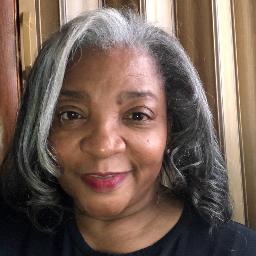
About Diseree
She uses straightforward, person-centered care to help people set small, manageable goals. Sessions often look at thoughts, routines, and choices that keep problems going. Diseree draws on cognitive and behavioral tools to change unhelpful patterns while also attending to emotions and relationships.
Her background spans many life stages and situations. She has worked with children, adolescents, young adults, older adults, LGBTQ people, and others across diverse settings. That history informs a flexible approach that adapts to someone’s needs, whether the concern is parenting, addiction, trauma, or coping with major life changes.
Diseree blends Acceptance and Commitment Therapy, Client-Centered methods, Cognitive Behavioral Therapy, Dialectical Behavior Therapy, and Emotionally-Focused Therapy in her work. She emphasizes practical steps clients can use between sessions to build new habits and reduce distress.
Based in Michigan, she brings a steady, encouraging presence to the work. People who prefer clear guidance, collaborative planning, and attention to everyday thoughts and habits may find her approach helpful.
Areas of expertise
Primary focus
Also works with
Additional focus areas
Therapeutic approaches
Experience
40+ years
Credentials
Michigan
Languages
English
How therapeutic approaches translate to online work
Acceptance and Commitment Therapy helps people notice unhelpful thoughts and choose actions that match their values. It can be useful for anxiety, low mood, and coping with life transitions by focusing on small, meaningful steps. Cognitive Behavioral Therapy looks at the links between thoughts, feelings, and behavior and teaches specific skills to change patterns that maintain distress.Finding the right approach is part of the work. The therapist will collaborate with each person to decide which methods fit their goals and day-to-day life. That might mean mixing strategies from ACT and CBT or emphasizing emotion-focused work when relationships are central.
The biography does not list specific online session formats, so confirm available options before booking. Online therapy can make it easier to fit sessions into a busy schedule, reduce travel time, and allow shorter check-ins when needed. It also makes it possible to try approaches and homework exercises between meetings, so skills are practiced in everyday settings. Licensed professionals can adapt exercises, worksheets, and behavioral experiments for remote sessions to keep progress moving forward.
Frequently asked questions
What concerns does she commonly address?
She works with stress, anxiety, depression, relationship and intimacy issues, grief, parenting challenges, eating and sleeping problems, addiction, ADHD, and other life changes.
What is her general therapy style?
Sessions are person-centered and collaborative. She uses warm, interactive support and focuses on practical changes in thoughts and daily habits.
How much clinical experience does she have?
She has 40 years of experience working in clinical settings with a wide range of concerns and populations.
What credentials and location are listed?
She holds a Licensed Master Social Worker credential (LMSW) and practices in Michigan.
Which languages are supported and can she work internationally?
Sessions are offered in English. She is not accepting international clients.
What session formats are offered?
The original biography does not specify session formats. Confirm current session options before booking to be sure they meet your needs.
How is cost handled for sessions?
Cost varies with location and therapist availability; sessions use a subscription that can be canceled at any time.
How do I begin working with her?
Use the Start Therapy button, complete a short matching questionnaire, and schedule according to the therapist's availability.