- Thoughts and habits
- Practical strategies
- Trauma informed
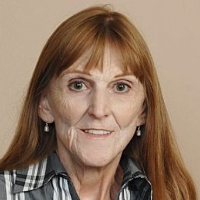
About Dorothy
Dorothy helps people who struggle with stress, anxiety, depression, and addiction-related problems. She also supports those coping with trauma, grief, intimacy issues, and relationship strain. Her practice pays attention to obsessions and compulsions, process and sex addictions, and personality-related challenges.
Her approach is straightforward and adaptive. She uses methods such as client-centered work, cognitive behavioral techniques, motivational interviewing, solution-focused strategies, and trauma-informed interventions. Sessions focus on identifying patterns of thought and habit, then testing small, doable changes.
Dorothy aims to create a non-judgmental space where people can talk through hard topics and try out new ways of handling them. She emphasizes collaboration and practical tools you can use between sessions. Progress is measured in concrete steps rather than labels.
People who want clear strategies for everyday thinking and habits often find this practical style helpful. If you want someone who will listen, prioritize what matters to you, and help shape short-term goals, Dorothy offers that kind of focused guidance.
Areas of expertise
Primary focus
Also works with
Additional focus areas
Therapeutic approaches
Experience
18+ years
Credentials
Virginia, Florida
Languages
English
Online approaches for changing thoughts and habits
Client-centered therapy focuses on the person's experience and priorities, offering space to be heard while exploring what you want to change. It helps with motivation and clarity when someone feels stuck.Cognitive Behavioral Therapy, or CBT, looks at how thoughts, feelings, and behaviors interact and teaches concrete skills to shift unhelpful patterns. It is often used for anxiety, depression, and habit-related concerns.
Motivational Interviewing helps people find and strengthen their own reasons for change. It is useful when a person feels unsure about starting or sustaining new behaviors.
Choosing an approach is a collaborative process. Dorothy will work with clients to identify which methods fit their needs and goals. She adapts techniques over time so sessions stay aligned with what is most helpful.
Confirm the current session options before booking so you know how Dorothy is seeing clients. Online therapy can make it easier to fit appointments into a busy life, reduce travel time, allow shorter check-ins when needed, and let people use quieter surroundings or lower-bandwidth connections as required. These practical benefits can help make steady progress on thoughts and everyday habits.
Frequently asked questions
What concerns does Dorothy commonly address?
She works with stress, anxiety, depression, and a range of addiction-related issues. Additional focuses include trauma, grief, intimacy-related struggles, obsessions and compulsions, and personality-related difficulties.
What is Dorothy's therapeutic style?
Her style is practical and collaborative, using client-centered conversation, cognitive behavioral techniques, motivational interviewing, solution-focused work, and trauma-focused methods. Sessions emphasize changing everyday thoughts and habits through small, doable steps.
How long has she been practicing?
She has 18 years of professional experience working with a wide range of concerns including mood disorders, trauma, and addictive behaviors.
Where does Dorothy practice and what are her credentials?
She practices in Florida and holds the LMHC and LPC credentials. License details beyond those abbreviations are not listed here.
Which languages are supported for sessions?
Sessions are offered in English.
Can people from other countries work with her?
International clients are not currently accepted.
How are fees and billing handled?
Cost varies with location and therapist availability, and sessions use a subscription that can be canceled at any time.
How do I begin working with Dorothy?
Use the Start Therapy button, complete a short matching questionnaire, and schedule according to therapist availability.