- Practical thought strategies
- Habit-focused change
- Values-based guidance
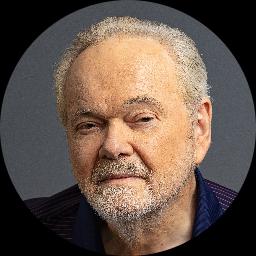
About Douglas
He has worked in psychiatric hospitals, managed care settings, and private practice, which shaped a practical, straightforward style. Sessions begin by mapping the problem or goal and identifying the thoughts and behaviors that maintain it. From there he and the person set clear, achievable changes to try.
Dr. Treese uses approaches drawn from cognitive behavioral work, acceptance and commitment ideas, attachment perspectives, emotionally-focused methods, and client-centered practice. That mix aims to help people notice unhelpful thinking, clarify values, and build small habit changes that fit daily life.
He focuses on building cooperation in sessions so people feel understood while also trying new ways of responding outside of therapy. He pays attention to emotions, behavior patterns, and relationship dynamics when those areas matter to the concern at hand.
To begin, the reader completes a short matching questionnaire and schedules according to the therapist's availability. Sessions use a subscription model that can be canceled at any time.
Areas of expertise
Primary focus
Also works with
Additional focus areas
Therapeutic approaches
Experience
36+ years
Credentials
Arizona
Languages
English
How therapeutic approaches guide online work
Dr. Treese often draws on cognitive behavioral therapy to help people notice and change unhelpful thoughts and everyday habits. CBT focuses on patterns of thinking and behavior, and it is useful for anxiety, depression, and stress-related concerns.He also uses Acceptance and Commitment Therapy, which emphasizes noticing thoughts and feelings while clarifying what matters to you and committing to small, value-based actions. ACT can help people stuck in avoidance or struggling to make consistent changes.
Finding the right approach is part of the work together. The therapist will help you decide which methods fit your needs, goals, and preferences. That decision is collaborative and can adapt as progress is made.
The biography does not specify which online session formats are offered, so confirm available options before booking. Online work can make it easier to fit sessions into a busy week, allow shorter check-ins when needed, and reduce travel time. It can also let people try therapeutic tools in the settings where they live and practice new habits between meetings.
Frequently asked questions
What kinds of problems does this therapist focus on?
He helps with stress, anxiety, depression, grief, relationship difficulties, anger, addictions, trauma and abuse, eating concerns, self-esteem, bipolar mood concerns, and coping with life changes.
How would you describe his therapy style?
He uses a cooperative, practical approach that maps problems, identifies unhelpful thoughts and behaviors, and sets small, achievable changes to try between sessions.
What is his professional background and experience?
He earned a PhD in Counseling Psychology in 1988 and has 36 years of clinical experience working in psychiatric hospitals, managed care, and private practice.
What credential does he hold and where is he based?
He is an Arizona Psychologist, credential AZ Psychologist PSY-001646, and practices in Arizona.
Are sessions offered in other languages or internationally?
Sessions are offered in English and international clients are accepted.
What session formats are available?
The original biography does not list specific session formats. Please confirm current session options before booking.
How are fees and payment handled?
Costs vary with location and the therapist's arrangements; sessions use a subscription that can be canceled at any time.
How do I begin working with him?
Select the Start Therapy button, complete the short matching questionnaire, and schedule according to the therapist's availability.