- Practical strategies
- Trauma-informed care
- Relationship help
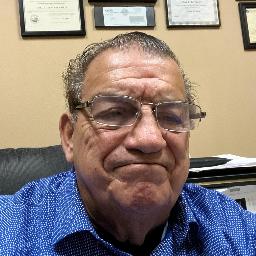
About Earl
He uses approaches that focus on thoughts and everyday habits to help people manage symptoms and make steady progress. Sessions often include clear strategies to handle anxiety and mood shifts, plus conversational work about relationships and family patterns. He also works with people navigating identity matters, parenting strain, and life transitions.
With 38 years of experience, Earl combines tried methods like cognitive behavioral techniques and mindfulness with deeper narrative and existential perspectives. He helps clients notice unhelpful thinking, try small behavioral changes, and reflect on personal meaning when that matters. He also offers trauma-focused care informed by eye movement desensitization and reprocessing methods.
Earl aims to make the process collaborative. He listens, offers concrete tools, and checks in about what is or is not helping. Many clients find this mix useful when tackling panic, obsessive thinking, or problems with communication.
Sessions are conducted in English and he accepts international clients. Prospective clients select the Start Therapy button, complete a short matching questionnaire, and schedule according to therapist availability. Costs vary by location and use a subscription that can be canceled at any time.
Areas of expertise
Primary focus
Also works with
Additional focus areas
Therapeutic approaches
Experience
38+ years
Credentials
California
Languages
English
Approaches that guide online work
CBT, or cognitive behavioral therapy, focuses on identifying and changing unhelpful thoughts and everyday habits that keep problems active. It is often used for anxiety, panic attacks, obsessive thinking, and mood disorders. Mindfulness therapy teaches simple attention and breathing practices to help reduce reactivity and improve moment-to-moment coping. EMDR, or eye movement desensitization and reprocessing, is a method used for processing traumatic memories and reducing the lasting emotional charge they carry.Finding the right approach is part of therapy. The therapist will work with each person to decide which methods fit their goals, needs, and preferences. That process is collaborative - clients set priorities and the therapist suggests ways to try different techniques and see what helps.
The original biography does not list specific session formats, so confirm available options when you schedule. Online therapy can make it easier to fit sessions into a busy life, allow shorter check-ins when needed, and reduce travel time. It can also let people join from different locations, which may help those living outside the therapist's area or managing complex schedules.
Frequently asked questions
What concerns does Earl commonly address?
He works with stress, anxiety, depression, trauma and abuse, relationship and family issues, and related concerns such as anger, bipolar mood issues, and ADHD.
How would you describe his therapeutic style?
He combines thought-focused work and everyday habit changes with reflective conversation. Sessions mix practical skills with deeper meaning-making and trauma-focused methods when needed.
What kind of experience does he bring?
He has 38 years of professional experience helping people address mood, relationship, and trauma-related concerns across different life stages.
Where is he licensed and practicing?
He is a licensed professional clinical counselor, LPCC, practicing in California.
Which languages are sessions offered in?
Sessions are offered in English and he accepts international clients.
What session formats are available?
The original biography does not specify session formats; please confirm the current session options when booking.
How does pricing work?
Costs vary with location and therapist availability, and sessions use a subscription that can be canceled at any time.
How do I begin working with him?
Click the Start Therapy button, complete a short matching questionnaire, and then schedule sessions according to therapist availability.