- Anxiety and stress
- Relationship work
- Practical coping skills
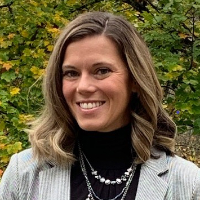
About Erika
She brings three years of counseling experience and draws on several practical methods. Sessions often focus on anxiety, depression, trauma and grief, addictions, and relationship or intimacy concerns. She also supports people dealing with sleep and eating issues, caregiver stress, chronic illness, and changes like separation or blended family dynamics.
In the therapy room she uses straightforward tools from cognitive behavioral therapy and dialectical behavior therapy to notice patterns and try new responses. She also uses attachment-based and emotionally focused ideas to look at how relationships shape feelings and reactions. The work blends talking through problems with simple skills to practice between sessions.
Erika aims to help people who are worn down by stress or big life shifts. She helps clients work on anger, low self-esteem, career stress, addiction, and coping with grief. Thought patterns and daily habits are common targets so people feel more in control of day-to-day life.
Sessions are offered in English and are based in West Virginia. Getting started involves a short questionnaire and scheduling a time that fits the client. The therapist asks people to consider their goals before the first meeting so sessions can start focused and practical.
Areas of expertise
Primary focus
Also works with
Additional focus areas
Therapeutic approaches
Experience
3+ years
Credentials
West Virginia
Languages
English
How her approaches translate to online work
Attachment-based work looks at how early and close relationships affect emotions and reactions. It helps people who struggle with trust, fear of abandonment, or intense relationship patterns by naming those patterns and practicing different responses. Cognitive behavioral therapy (CBT) focuses on spotting thoughts that lead to distress and testing them with practical experiments. It is useful for anxiety, depression, sleep problems, and habits people want to change. Emotionally focused ideas center on identifying and shifting strong emotions in relationships, which can help with intimacy and communication concerns.Finding the right approach is part of the process. The therapist collaborates with each person to match methods to their goals and preferences. That means trying a skill, checking how it lands, and adjusting the plan together over time.
The profile does not list specific online session formats, so confirm current options before booking. Online sessions can make it easier to fit therapy into a busy day, shorten travel time, and allow some people to work on skills in their normal routines. Some approaches translate well to brief check-ins or to homework-focused sessions where the therapist reviews exercises and progress between meetings. Talk with the therapist during the first appointment to decide what setup will work best for scheduling and comfort.
Frequently asked questions
What concerns does she commonly address?
She works with stress, anxiety, depression, trauma and abuse, grief, addictions, and relationship or intimacy issues, among other concerns.
What is her general therapy style?
She combines practical, skills-based methods with relationship-focused work, using clear techniques to change thoughts and daily habits.
How much clinical experience does she have?
She has three years of counseling experience practicing in various settings.
What credentials and location are listed?
She holds an LPC license and is based in West Virginia.
Which languages are supported and can she see international clients?
Sessions are offered in English and she is not currently accepting international clients.
What formats are available for sessions?
The original profile does not specify session formats; please confirm current session options before booking.
How is cost handled for therapy?
Cost varies with location and therapist availability, and sessions use a subscription that can be canceled at any time.
What are the first steps to begin therapy?
Use the Start Therapy button, complete a short matching questionnaire, and schedule according to therapist availability.