- Thoughts and habits
- Relationship focus
- LGBT support
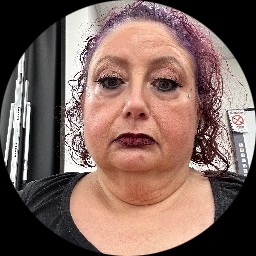
About Glenda
Glenda adapts conversations and plans to fit a person’s specific needs. She uses practical strategies to address everyday thoughts and habits that get in the way. Sessions involve listening, gentle questioning, and collaboratively setting small, achievable steps.
Her work draws on attachment-focused ideas to look at how past relationships shape current patterns. She also uses cognitive behavioral techniques to identify unhelpful thoughts and test new ways of thinking. Emotion-focused methods are used when stronger feelings need to be named and worked through.
Glenda has supported people dealing with grief, hospice and end-of-life concerns, first responder and veteran issues, gender dysphoria, and non-monogamous relationship challenges. She also addresses obsessions, compulsions, paranoia, infidelity, jealousy, and multicultural concerns.
People can expect a calm, straightforward tone and a focus on practical change. The therapist emphasizes collaboration and empowerment, helping clients build healthier routines and clearer thinking patterns.
Areas of expertise
Primary focus
Additional focus areas
Therapeutic approaches
Experience
30+ years
Credentials
California
Languages
English
How attachment, CBT, and emotion work online
Attachment-Based Therapy looks at how early relationship patterns shape current reactions. It helps when worries and habits come from repeated ways of relating to others.Cognitive Behavioral Therapy, or CBT, focuses on spotting unhelpful thoughts and testing different ways of thinking and behaving. It is useful for anxiety, stress, and repetitive worry. Emotionally-Focused Therapy helps name and process strong feelings so people can change how they respond in close relationships.
Finding the right approach is part of the therapy process. The therapist will work with each person to decide which methods fit their needs and goals. That choice is collaborative and can change over time as progress is made.
Practical benefits of online therapy include easier scheduling and fitting sessions into a busy day. If you need lighter contact on some weeks a shorter check-in can be arranged, or a conversation without video can be used when bandwidth is limited. The biography did not specify which session formats are offered, so confirm current options before booking. Online work can help people practice new thinking and habits between meetings, making change easier to maintain.
Frequently asked questions
What concerns does Glenda address?
She helps with stress, anxiety, depression, relationship issues, trauma and abuse, and LGBT-related concerns. Additional focuses include first responder and veteran issues, gender dysphoria, hospice and end-of-life counseling, infidelity, jealousy, and OCD-related problems.
What is her therapeutic style like?
Her style is calm and collaborative. She listens, asks clear questions, and works with clients to set small, practical steps that change everyday thoughts and habits.
How much clinical experience does she have?
She brings 30 years of professional experience working with people on a wide range of concerns. That experience informs how she adapts treatment to each person.
What are her credentials and location?
She is a Licensed Marriage and Family Therapist, LMFT, licensed in California. Her practice is based in California.
In which languages are sessions offered?
Sessions are offered in English and the therapist supports international clients.
What session formats are available?
The original biography does not list specific session formats. Confirm current session options with the service before booking.
How does payment and cost work?
Cost varies with location and therapist arrangements; sessions use a subscription that can be canceled at any time. Confirm pricing details during the sign-up process.
How do I begin working with her?
Use the Start Therapy button, complete a short matching questionnaire, and then schedule sessions according to the therapist's availability.