- Thoughts and habits
- Mindfulness practice
- Practical plans
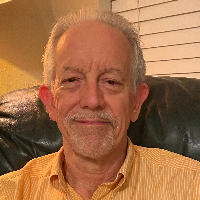
About John
He works in a straightforward, listening-first way. Sessions center on understanding what’s happening day to day and finding small, practical changes that make daily life easier. He brings a mix of approaches so the plan fits the person rather than forcing a single method.
Clients come with a range of concerns such as trauma and abuse, sleep problems, parenting strain, career transitions, grief, relationship and intimacy-related issues, and substance use. He also addresses issues like abandonment, codependency, communication problems, and impulsivity. He supports people who identify as LGBT and those coping with compassion fatigue or first responder stress.
His practice often includes mindfulness and meditation exercises when clients are open to them. He uses cognitive-behavioral ideas to notice unhelpful thinking and build new habits. Motivational interviewing and client-centered conversation help people find internal reasons to change.
John left a long career in restaurant management to pursue counseling after a personal shift in his late 40s. That experience informs his work with people who are rethinking career direction or meaning in life. He welcomes international clients and conducts sessions in English.
Areas of expertise
Also works with
Additional focus areas
Therapeutic approaches
Experience
12+ years
Credentials
Texas
Languages
English
How therapy approaches shape online sessions
Client-Centered Therapy emphasizes listening and building a therapeutic relationship. The therapist follows the client’s pace and priorities, which can help people who are unsure where to start or who need a steady, nonjudgmental space to talk.Cognitive Behavioral Therapy (CBT) focuses on noticing unhelpful thoughts and changing everyday habits that keep problems going. CBT is useful for anxiety, depression, and sleep or routine issues because it breaks concerns into clear, manageable steps for practice between sessions.
Finding the right approach is part of the work together. The therapist will collaborate with each person to choose methods that fit their goals and preferences, and adjust the plan as needed. That collaborative process helps tailor strategies to what actually works in someone’s life.
The biography does not specify which online session formats are used, so confirm current options before booking. Online therapy can make it easier to fit sessions into a busy routine, reduce travel time, and allow shorter check-ins when needed. It can also support continuity of care for people living outside the therapist’s immediate area while keeping the focus on practical habit changes and thought work.
Frequently asked questions
What concerns does John commonly address?
He focuses on stress, anxiety, addiction, trauma, mood disorders, grief, relationship and intimacy issues, sleep problems, parenting stress, and career changes among other concerns.
What is his general therapy style?
He listens first and tailors plans to each person. Sessions combine practical habit work, mindful awareness, and conversational methods to help people change thoughts and behaviors.
How much experience does he bring to sessions?
He has 12 years of experience working as a therapist and life coach in private practice and contract roles.
What credentials and location apply?
He is an LPC, which stands for Licensed Professional Counselor, licensed in Texas and based in that state.
Can I work with him if I live outside the United States?
Sessions are offered to international clients and are conducted in English.
What session formats are available?
The original biography does not list specific session formats; please confirm the current session options before booking.
How are fees handled?
Cost varies with location and therapist availability and sessions use a subscription that can be canceled at any time.
How do I begin working with him?
Select the Start Therapy button, complete a short matching questionnaire, and schedule according to therapist availability.