- Grace and acceptance
- Patient listening
- Practical strategies
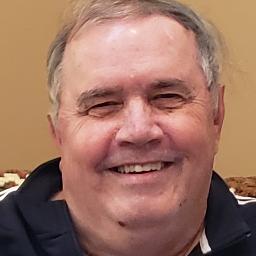
About Johnnie
He has led hospital units and run private practices, and he has 45 years in the field. He has worked with people who face depression, anxiety, grief, trauma, ADHD, addiction, and career or relationship strains. He approaches each person as an individual rather than relying on a single method.
John's therapeutic stance centers on what he calls grace and acceptance. He emphasizes patience, careful listening, and a nonjudgmental attitude. He wants people to feel safe enough to speak honestly about their struggles and worries.
Clinically he integrates interpersonal and compassionate work with cognitive-behavioral and other reflective strategies. He draws on a range of ideas from both secular and non-secular sources and adapts methods to fit each person's goals and needs. He does not use a one-size-fits-all approach.
He describes his role as both a professional and a fellow human who has faced life challenges. His aim is to help people find hope and workable ways forward when life feels overwhelming. If someone needs a thoughtful, steady clinician who listens first, he invites them to reach out.
Areas of expertise
Primary focus
Also works with
Additional focus areas
Therapeutic approaches
Experience
45+ years
Credentials
Indiana, Florida
Languages
English
How his approaches shape online therapy
Attachment-Based Therapy focuses on how early relationships influence current patterns. It helps people understand hurtful relationship habits and build more secure ways of connecting. Cognitive Behavioral Therapy (CBT) looks at the link between thoughts, feelings, and actions and teaches practical steps to change unhelpful thinking and behavior. Emotionally-Focused Therapy (EFT) helps people notice and express core emotions in relationships to improve closeness and reduce conflict.Choosing the right approach is part of the work. The therapist will talk with each person about their goals, struggles, and preferences and then suggest ways to proceed. That decision is shared and can be adjusted as therapy moves forward.
The biography does not specify which online formats are available, so confirm current session options before booking. Online therapy can make it easier to fit appointments into a busy week, reduce travel time, allow shorter check-ins when needed, and let sessions happen from a calmer spot than the workplace. Licensed professionals can use these methods effectively online when they adapt tools and exercises for the session setting.
Frequently asked questions
What concerns does he commonly address?
He works with stress, anxiety, depression, grief, trauma and abuse, addictions, relationship and family issues, ADHD, and many other challenges listed in his specialties.
How would you describe his therapeutic style?
His style emphasizes grace and acceptance, with patient listening and a nonjudgmental stance. He mixes interpersonal, client-centered, and cognitive-behavioral ideas to suit each person.
What is his professional background?
He has 45 years of experience, has directed hospital units, and has run private practices in multiple states during his career.
Which credentials and location are listed?
He is a Florida Psychologist (FL Psychologist PY10787) and an Indiana Psychologist (IN Psychologist 20042036A) and is based in Indiana.
In what languages can sessions be held?
Sessions are offered in English and he accepts international clients as noted.
What session formats are offered?
The original biography does not list specific session formats; please confirm current session options before booking so you know whether online or in-person choices are available.
How are fees and payment handled?
Cost varies with location and therapist availability, and sessions use a subscription that can be canceled at any time.
How do I begin working with him?
Click the Start Therapy button, complete a short matching questionnaire, and schedule according to the therapist's availability.