- Thoughts and habits
- Practical coping skills
- Collaborative goal setting
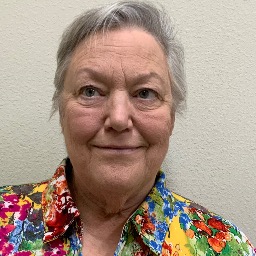
About Jonetta
Jonetta treats each person as the expert in their own life. She asks clients what matters most and collaborates on straightforward steps to move forward. Conversations focus on what choices work better rather than labeling actions as right or wrong. That practical tone guides short-term goals and longer personal change.
With 20 years of experience, Jonetta uses strategies from Cognitive Behavioral Therapy and Dialectical Behavior Therapy alongside attachment and mindfulness ideas. Sessions commonly include noticing thought patterns, practicing coping skills, and testing small behavior changes. She helps people break unhelpful routines and build habits that fit their day-to-day responsibilities.
Her background includes work with complex emotional issues such as dissociation, attachment challenges, codependency, and caregiver stress. She also addresses life transitions like divorce, aging concerns, and recovery after disaster. The focus stays on manageable steps clients can try between sessions.
Jonetta is a Licensed Professional Counselor in Oklahoma. She offers services in English and accepts international clients. Prospective clients are invited to use the Start Therapy flow to answer a short matching questionnaire and schedule sessions.
Areas of expertise
Primary focus
Also works with
Additional focus areas
Therapeutic approaches
Experience
20+ years
Credentials
Oklahoma
Languages
English
How these approaches are used in online therapy
Attachment-Based Therapy helps people examine how early connections shape current relationships and reactions. It focuses on recognizing patterns in close bonds and building new ways of relating that feel safer and more effective.Cognitive Behavioral Therapy (CBT) looks at thoughts and everyday habits that keep problems going. It helps people notice unhelpful thinking, try different behaviors, and practice skills that reduce anxiety, depression, and stress symptoms.
Dialectical Behavior Therapy (DBT) emphasizes skills for managing strong emotions, improving interpersonal communication, and increasing tolerance for distress. It is useful when someone struggles with intense feelings or repeated crises and wants tools to steady day-to-day life.
Choosing the right approach is a team effort. The therapist will talk with each person about goals, current problems, and personal preferences and then recommend techniques to try. That collaborative process may mix elements from different approaches based on what actually helps.
If you are considering online therapy, confirm the session formats available before booking since they are not specified in the biography. Many people find online work helpful because it can fit into a busy schedule, allow shorter check-ins when needed, and remove travel time. It also makes ongoing skill practice easier to keep up with between appointments.
Frequently asked questions
What concerns does Jonetta commonly address?
She supports people with stress, anxiety, depression, relationship issues, trauma and abuse, parenting strain, anger, self-esteem, and career-related problems.
How would you describe her therapeutic style?
The style is collaborative and practical; she asks what matters to the client and focuses on actionable choices rather than moral judgments.
What kind of experience does she bring?
Jonetta has 20 years of experience working with a wide range of emotional and behavioral concerns and life transitions.
What credentials and location are listed?
She holds the LPC credential, listed as an Oklahoma Licensed Professional Counselor, and practices from Oklahoma.
Which languages are offered and can international clients connect?
Sessions are offered in English, and she accepts international clients.
What session formats are available?
The original biography does not specify session formats; please confirm current session options before booking.
How is cost explained?
Cost varies with location and therapist availability and uses a subscription that can be canceled at any time.
What are the first steps to get started?
Select the Start Therapy button, complete a short matching questionnaire, and schedule according to the therapist's availability.