- Focus on thinking
- Practical strategies
- Listening first
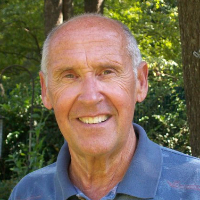
About K.
He began his career in education and later worked extensively with adults in addiction recovery. That early work led to long involvement with recovery programs and to consulting with organizations facing workforce disruption. Joe has personal experience with immigration, single parenting, career change, and remarriage, and he draws on those life events when he talks with clients.
Joe describes therapy as a conversation where the client’s goals guide the work. He focuses on thoughts and everyday habits, helping people notice how thinking shapes feelings and actions. Together he and a client set practical goals and use education, cognitive work, and mindfulness to make change.
His approach is pragmatic and goal oriented. Sessions often include clarification of concerns, step-by-step planning, and strategies to manage stress and mood. If medication might help, he will discuss coordinating with other health professionals.
Sessions are commonly scheduled for 45 to 60 minutes to allow time for full discussion. Joe values the effort it takes to reach out and aims to make the time together focused on the client’s needs.
Areas of expertise
Primary focus
Also works with
Additional focus areas
Therapeutic approaches
Experience
40+ years
Credentials
Georgia
Languages
English
How ACT and CBT Shape Online Work
Acceptance and Commitment Therapy helps people notice their thoughts and values, then take planned steps toward the life they want. It can be useful for anxiety, depression, and coping with change. Cognitive Behavioral Therapy looks at the link between thoughts, feelings, and actions and teaches practical skills to change unhelpful thinking patterns. It often helps with anxiety, depression, and stress. Mindfulness Therapy adds attention skills to notice moment-to-moment experience and reduce automatic reactions.Choosing an approach is a collaborative process. The therapist will talk with each person about their goals, try techniques that fit those goals, and adjust the plan if something is not working. Clients and therapist decide together which methods to focus on as work progresses.
Confirm the current session options before booking, since formats are not specified in the biography. Online work can make it easier to fit sessions into a busy week, allow shorter check-ins when needed, and reduce travel time. It also lets sessions happen when it is easier to arrange a quieter spot, avoid camera use, or use less bandwidth depending on the client’s needs.
Frequently asked questions
What kinds of concerns does he help with?
He works with stress, anxiety, depression, addictions, relationship and parenting concerns, grief, trauma and many life transitions listed in his specialties.
What is his therapy style like?
He describes therapy as a conversation focused on practical goals and problem clarification, using education and step-by-step planning.
How much experience does he have?
He has forty years of professional experience, including long-term work in addiction recovery and consulting with organizations on workforce changes.
What credentials and location are listed?
He is a licensed professional counselor with the credential LPC and practices in Georgia.
Which languages are supported?
Sessions are offered in English.
Does he work with international clients?
International clients are not currently accepted.
How are sessions scheduled and paid for?
Cost varies with location and therapist availability; sessions use a subscription that can be canceled at any time.
How do I start a session with him?
Select the Start Therapy button, complete a short matching questionnaire, and schedule according to therapist availability.