- Thoughts and everyday habits
- Skills for emotion regulation
- Practical relationship tools
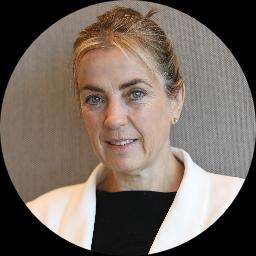
About Karyn
She draws on approaches such as Acceptance and Commitment Therapy, Cognitive Behavioural Therapy and Attachment-Based Therapy to help people notice unhelpful thinking and try different ways of responding. Sessions often include teaching simple skills for emotional regulation, practising new communication patterns and looking at what matters most to the person. Karyn also uses psychoeducation to explain relationship dynamics, power in groups and common psychological responses to stress.
Karyn has seven years of clinical experience and holds PACFA as her credential. She has worked with people facing a wide range of issues including abandonment, adoption and foster care concerns, ageing and chronic illness, and attachment difficulties. Her background as a social scientist informs how she discusses culture, gender and organisational dynamics with clients.
Her room is described in practical terms: a place to talk through thoughts, sort priorities and plan everyday habits that support coping. Karyn invites people to bring their questions and any preferences for topics such as communication, motivation or emotional triggers.
Taking the first step can feel hard, and she acknowledges that courage. Prospective clients are asked to use the Start Therapy button and complete a short matching questionnaire to begin arranging sessions.
Areas of expertise
Primary focus
Additional focus areas
Therapeutic approaches
Experience
7+ years
Credentials
PACFA · Australia
Languages
English
How therapy methods translate to online work
Acceptance and Commitment Therapy (ACT) helps people notice unhelpful thoughts and focus on values-based action. It often involves simple exercises to shift attention and try small changes that fit daily life. Cognitive Behavioural Therapy (CBT) looks at the links between thoughts, feelings and behaviours and teaches practical steps to test unhelpful thinking and build new routines. Attachment-Based Therapy pays attention to relationship patterns and how early experiences influence current connections, useful for people wanting clearer communication and safer emotional responses.Finding the right mix of approaches is part of the process. The therapist will work collaboratively to choose techniques that match a person's needs, goals and preferences. That choice can shift over time as different issues come into focus and practical skills are noticed to help in day-to-day life.
Session formats are not specified in the biography, so confirm current options before booking. Online work can make it easier to fit sessions into a busy week, allow shorter check-ins when needed and remove travel time. It can also let people access therapy from different parts of Australia without changing therapists. Ask about the available session types when you complete the matching questionnaire so practical arrangements match your routine and needs.
Frequently asked questions
What kinds of concerns does she help with?
Karyn works with stress, anxiety, depression, relationship issues, trauma and bipolar concerns, plus related areas such as abandonment, attachment and chronic illness.
How would you describe her therapeutic style?
Her style is practical and client-centred, focusing on thoughts and everyday habits, teaching skills and using psychoeducation to explain relationship and stress patterns.
What is her clinical background?
She has seven years of psychotherapy experience and a background as a social scientist which shapes how she talks about culture, gender and organisational dynamics.
What credentials does she hold and where is she based?
Her stated credential is PACFA and she practises in Australia.
Which languages are available for sessions?
Sessions are offered in English.
Can people outside Australia work with her?
International clients are not currently accepted.
How are sessions priced?
Cost varies with location and therapist availability; sessions use a subscription model that can be cancelled at any time.
How do I begin working with her?
Use the Start Therapy button, complete a short matching questionnaire and schedule sessions according to the therapist's availability.