- 35 years experience
- LMFT in California
- Thoughts and everyday habits
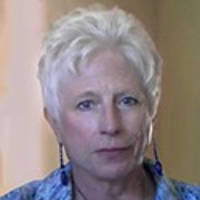
About Kim
Kim draws on many approaches to match what each person needs. She often uses client-centered, cognitive behavioral, dialectical behavior, mindfulness, and motivational interviewing tools. That means sessions can include talking through difficult feelings, learning new coping skills, and trying small behavior changes between meetings.
She has extensive experience helping people with stress, anxiety, depression, trauma and abuse, and grief. She also helps with relationship and family concerns, parenting strain, eating and food-related issues, anger, and coping with life changes.
Kim’s background includes working with people affected by physical, emotional, and sexual abuse, and more recently addressing the effects of COVID on school, work, and home life. Her long work history includes community-based roles and clinical practice following a Master’s in Counseling from Sonoma State University and a California LMFT license.
Outside of work Kim lives near the ocean in California and is an avid dog lover who enjoys the company and humor pets bring. She invites anyone who feels she might be a fit to begin the process and see how the work unfolds.
Areas of expertise
Also works with
Additional focus areas
Therapeutic approaches
Experience
35+ years
Credentials
California
Languages
English
How therapeutic approaches shape online work
Client-centered therapy focuses on understanding each person's experience and following their pace; it helps when someone needs a supportive, nonjudgmental space to talk and be heard. Cognitive behavioral therapy (CBT) looks at how thoughts, feelings, and behaviors interact and uses practical exercises to change unhelpful patterns, which can be useful for anxiety, depression, and stress. Dialectical behavior therapy (DBT) teaches skills for emotion regulation, distress tolerance, and better interpersonal communication, often helping with strong emotions and relationship strain.Finding the right approach is part of the work. The therapist will collaborate with each person to choose methods that match goals and comfort level. Together they will try tools, notice what helps, and adjust the plan over time.
Confirm current session options before booking so you know how sessions are scheduled. Online therapy can make it easier to fit appointments into a busy life, allow for shorter check-ins when needed, and remove travel time to and from an office. It can also make it simpler to keep continuity of care during life changes and to practice skills in real-life settings between sessions.
Frequently asked questions
What kinds of concerns does she help with?
She works with stress, anxiety, depression, trauma and abuse, grief, and self-esteem issues. She also supports people facing relationship and family challenges, parenting stress, eating concerns, anger, and life transitions.
What is her therapeutic style?
Her approach is warm, interactive, and direct when needed. Sessions focus on listening, practical coping skills, and pacing the work to each person.
How much clinical experience does she have?
She brings 35 years in the mental health field, much of it in nonprofit settings and community practice.
What credentials and location apply?
She holds a California LMFT license and practices in California.
Which languages are supported?
Sessions are offered in English.
Can international clients work with her?
International clients are not currently accepted.
How is cost handled?
Cost varies with location and therapist availability, and sessions use a subscription that can be canceled at any time.
How do I begin working with her?
Choose the Start Therapy button, complete a short matching questionnaire, and schedule according to therapist availability.