- CBT and psychodynamic
- Warm collaborative style
- Focus on daily skills
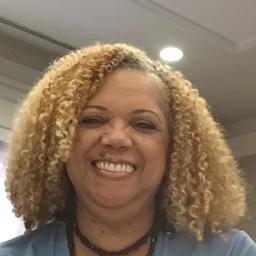
About Linda
Linda trained at Simmons College in Boston, earning a Master of Social Work. She spent many years providing mental health services in Boston before moving to Maryland in 2013. Over a 25-year career she has worked in a range of settings, including crisis response and substance use treatment programs.
Her practice blends cognitive behavioral techniques with psychodynamic ideas and trauma-focused therapy. That means she looks at current thinking patterns and habits, while also noticing how past experiences influence present feelings and behavior. Sessions often include talking through problems, learning skills to handle distress, and planning steps people can try between meetings.
Linda places emphasis on collaboration and education. She helps people understand their emotional reactions and develops practical strategies that fit everyday life. Her style is warm and welcoming, and she aims to create a working relationship that supports steady progress.
People come to her with a wide range of concerns, such as depression, panic, social anxiety, substance-related difficulties, relationship strain, and caregiving stress. She also addresses issues like chronic illness adjustment, family of origin patterns, and feelings of emptiness or shame.
Areas of expertise
Also works with
Additional focus areas
Therapeutic approaches
Experience
25+ years
Credentials
Maryland
Languages
English
How these approaches translate to online therapy
Linda uses cognitive behavioral therapy to help people identify unhelpful thoughts and change everyday habits that keep problems going. CBT is practical and skill-focused, useful for anxiety, depression, and managing addictive behaviors.She also draws on psychodynamic therapy to look at how past relationships and early life experiences shape current feelings and reactions. That work helps when patterns repeat in relationships or when old hurts influence daily choices.
Finding the right approach is part of the work together. The therapist will help determine what methods fit a person’s goals, symptoms, and preferences, and will adjust the plan as progress is made. Collaboration guides decisions about which techniques to emphasize.
Session format options are not specified here, so confirm current online session choices before booking. Online therapy can make it easier to fit sessions into a busy week, reduce travel time, and allow shorter check-ins when needed. It also lets people continue therapy while managing medical appointments, work schedules, or caregiving responsibilities.
Frequently asked questions
What kinds of concerns does this therapist help with?
She works with stress, anxiety, addictions, trauma and abuse, grief, depression, relationship and family issues, anger, self-esteem, career concerns, bipolar disorder, and coping with life changes.
How would you describe the therapy style used?
Her style blends cognitive behavioral techniques, psychodynamic work, and trauma-focused therapy in a collaborative way that emphasizes practical skills and understanding patterns from the past.
What relevant experience does she bring?
She has 25 years of experience across multiple treatment settings, including crisis response and substance use treatment programs, and long-term practice in Boston before relocating to Maryland.
What are her credentials and where is she based?
She holds the LCSW-C credential in Maryland and practices in the state of Maryland.
Which languages are supported for sessions?
Sessions are offered in English.
Does she work with international clients?
She is not currently accepting international clients.
How do fees and payment work?
Cost varies with location and therapist availability; sessions use a subscription model that can be canceled at any time.
How do I begin scheduling a session?
Select the Start Therapy button, complete a short matching questionnaire, and schedule according to therapist availability.