- Skills for strong emotions
- Focus on daily routines
- Thoughts and everyday habits
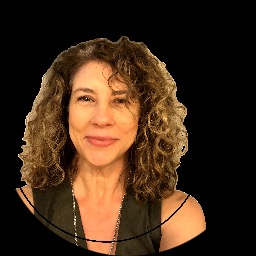
About Linda
She draws on long experience working with a range of mood and anxiety concerns. Her approach combines attention to past relationships and present patterns. Conversations often look at how daily routines and thinking habits shape feelings and choices.
Linda uses practical skills alongside deeper talk work. She teaches concrete ways to manage strong emotions and reduce intense reactions. She also spends time looking at early relationships and how those experiences continue to influence current behavior.
Her background includes classroom training for school staff and producing educational material for families dealing with self-injury. She completed additional post-graduate work in family systems, mindfulness, and attachment-related approaches. Those experiences inform how she balances skill-building with reflective therapy.
Sessions are paced to each person’s needs and readiness. Linda aims to make sessions understandable and useful on a day-to-day level. People who prefer clear, practical next steps alongside thoughtful listening may find her style a good fit.
Areas of expertise
Primary focus
Additional focus areas
Experience
23+ years
Credentials
Texas, North Carolina
Languages
English
How approaches and online work fit together
Linda’s practice combines structured skills work with deeper, relational reflection. One common approach focuses on teaching emotion regulation skills and practical strategies to manage intense feelings and reduce impulsive reactions. This type of work helps people who struggle with panic, extreme mood swings, or overwhelming stress. Another thread involves exploring attachment and early relationship patterns to understand recurring habits and emotional triggers. That helps when loneliness, family of origin issues, or problems with communication keep coming up in daily life.Finding the right approach is part of the process. The therapist will work collaboratively with each person to identify which mix of skills and reflective work fits their goals and daily demands. That decision is reviewed over time as needs change.
The biography does not list which online session formats are offered, so confirm current options before booking. In general, online therapy can make it easier to fit sessions into a busy life, shorten commute time, and allow work on skills between meetings. It can also let people choose quieter times for check-ins or use shorter sessions when needed. Ask about specific session lengths and formats when you schedule to match therapy to your routine and goals.
Frequently asked questions
What concerns does she help with?
She works with stress, anxiety, trauma and abuse, bipolar disorder, depression, and coping with life changes, plus related areas like attachment issues and obsessive behaviors.
How would you describe her therapy style?
Her style blends practical skills training with reflective, talk-based work. Sessions emphasize everyday habits and thinking patterns that affect mood.
What is her professional background?
She has 23 years of experience and has taught school staff and produced educational material on self-injury and adolescent concerns.
What credentials and region are listed?
She holds LCSW credentials in Texas and North Carolina and practices from North Carolina.
Are sessions offered in other languages or internationally?
Sessions are offered in English and she does not accept international clients.
Which session formats are available?
The original biography does not list specific session formats, so please confirm current session options before booking.
How are fees handled?
Cost varies with location and therapist availability; sessions use a subscription that can be canceled at any time.
How do I begin working with her?
Choose the Start Therapy button, complete a short matching questionnaire, and schedule according to the therapist's availability.