- Thoughts and habits
- Practical daily tools
- Collaborative coaching
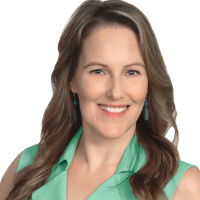
About Lindsay
She frames work as a partnership. Sessions focus on thoughts and everyday habits that shape mood and behavior. Conversations are straightforward and aim to build small, manageable changes that fit into daily life.
Her background includes roles as a crisis intervention specialist, research analyst, addictions specialist, and private practice clinician. Those experiences shape a flexible skill set for interruptions like grief, trauma, caregiver strain, chronic illness, and compassion fatigue.
Dr. Ghannam uses several clinical approaches to guide the work, including Acceptance and Commitment Therapy and Cognitive Behavioral Therapy. She also draws on attachment-focused ideas and client-centered listening to understand relationships and patterns.
Outside of clinical work she promotes natural coping strategies such as herbalism, healthy eating, and mindfulness practices. She has led radio conversations about natural approaches to anxiety and combines lifestyle ideas with talk-focused therapy to help clients move toward clearer, calmer days.
Areas of expertise
Primary focus
Also works with
Additional focus areas
Therapeutic approaches
Experience
15+ years
Credentials
Florida, Washington, Arizona
Languages
English
Therapeutic approaches for online work
Acceptance and Commitment Therapy (ACT) helps people notice their thoughts and choose actions that match their values instead of fighting uncomfortable feelings. It is often used for anxiety, stress, and getting unstuck. Cognitive Behavioral Therapy (CBT) looks at how thoughts, behaviors, and feelings interact and teaches practical tools to change unhelpful patterns; it can help with sleep problems, worry, and mood shifts. Attachment-Based Therapy focuses on how early relationship patterns affect current connections and communication, and it can be useful when people want to understand relationship or family patterns.Finding the right approach is part of the work. The therapist will talk with each person about goals, daily life, and what feels most useful. Together they decide which ideas and exercises to try and adjust them as needed.
Online therapy can make it easier to fit sessions into a busy schedule and to practice skills between meetings. It can also reduce travel time and allow shorter check-ins when needed. Confirm the current session options before booking so you know what formats are offered at that time.
Frequently asked questions
What kinds of problems does she help with?
Areas of focus include stress, anxiety, sleep trouble, depression, parenting strain, relationship and family concerns, trauma and grief, self-esteem, career shifts, compassion fatigue, and ADHD-related issues.
How does she approach therapy in sessions?
Her style is collaborative and practical, focusing on thoughts and everyday habits. She uses talk therapy to identify patterns and develop simple changes clients can try between visits.
What is her professional background?
She has 15 years of experience and has worked as a crisis intervention specialist, research analyst, addictions specialist, and in private practice, which informs a broad clinical perspective.
What credentials and location should I know about?
She holds LPC and LMHC credentials and practices from Florida where she provides counseling services.
Can sessions be conducted in other languages or internationally?
Sessions are offered in English, and she does accept international clients.
What session formats are available?
Please confirm current session options before booking so you know whether remote or in-person formats are offered at the time you schedule.
How is cost handled for sessions?
Cost varies with location and therapist availability; sessions use a subscription that can be canceled at any time.
How do I begin working with her?
Use the Start Therapy button, complete a short matching questionnaire, and schedule according to therapist availability.