- Client-centered care
- Practical coping skills
- Relationship focus
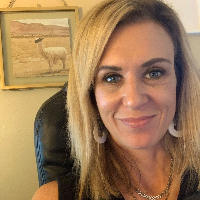
About Lisa
Her path in counseling has included long-term work with individuals and couples. She draws on approaches that emphasize the client’s perspective and practical skills. Sessions focus on clear goals, skill-building, and finding ways to make daily life feel more manageable.
Lisa uses Cognitive Behavioral Therapy to help people notice and change unhelpful thought patterns and habits. She also uses Client-Centered Therapy to keep the work rooted in each person’s values and priorities. Narrative and mindfulness approaches are part of her toolkit when a different viewpoint or present-moment skill is helpful.
Her practice pays attention to family and relationship dynamics, including adoption and foster care, blended family issues, divorce and separation, and family of origin concerns. She also addresses body image, grief at end of life, fertility challenges, and compassion fatigue for caregivers.
Clients can expect a straightforward, respectful approach. The focus is on what is causing trouble now and on practical ways to cope. Lisa encourages small steps and collaboration so people feel steady progress toward their goals.
Areas of expertise
Primary focus
Also works with
Additional focus areas
Therapeutic approaches
Experience
18+ years
Credentials
Georgia
Languages
English
Approaches that guide online sessions
Client-Centered Therapy puts the person’s perspective at the center of the work. The therapist listens closely and helps people voice what matters most, which can be useful for life transitions, relationship stress, and identity questions.Cognitive Behavioral Therapy focuses on identifying specific thoughts and habits that contribute to distress. It teaches practical skills to change thinking patterns and behavior, which can help with anxiety, depression, sleep and eating concerns, and managing mood swings.
Finding the right approach is part of the work together. The therapist will talk with each person about their goals, preferences, and day-to-day needs. Together they decide whether a skills-based plan, mindfulness practices, narrative work, or relationship-focused sessions fit best.
If you are considering online therapy, confirm the current session options before booking. Many clients find that remote sessions make it easier to fit counseling into a busy life, reduce travel time, and allow short check-ins during a workday. Some people prefer sessions that focus on building skills they can practice between meetings, while others choose conversation-based work to untangle relationship or family issues. Licensed professionals can adapt these approaches to the realities of daily life so therapy feels practical and manageable.
Frequently asked questions
What kinds of concerns does Lisa address?
She helps people with stress, anxiety, depression, relationship and family issues, grief, addictions, eating and sleeping problems, anger, self-esteem, career concerns, ADHD, and other mood or life-change challenges.
What is her general therapeutic style?
Her style centers on identifying each person’s needs and building a trusting relationship. She aims for practical, goal-oriented work that fits the individual.
How much experience does she have?
She has 18 years of experience working in counseling settings with individuals, couples, and families through a range of life challenges.
What credentials and region does she represent?
She is a Licensed Professional Counselor (LPC) practicing in Georgia.
Which languages are supported in sessions?
Sessions are offered in English.
Can international clients work with her?
She is not accepting international clients at this time.
How are sessions arranged and what do they cost?
Cost varies with location and therapist availability; sessions use a subscription that can be canceled at any time.
How do I begin working with her?
Click the Start Therapy button, complete a short matching questionnaire, and schedule according to therapist availability.