- Thoughts and habits
- Practical skill building
- Goal focused
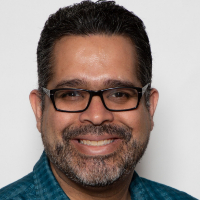
About Luis
He uses plain, practical education to make mental health easier to understand. That starts with learning how someone’s habits of thinking and communicating shape their relationships and mood. Sessions emphasize real skills people can use at home and work to reduce conflict and handle hard emotions.
Roman draws on several therapeutic approaches to match what a person needs. He blends client-centered methods with cognitive behavioral techniques and mindfulness practice to help people change unhelpful thinking and build new habits. Motivational interviewing and solution-focused work are used to set short-term goals and support behavior change.
His background includes work since 2016 across outpatient clinics, residential programs, and PROS services. That experience has involved helping people who face co-occurring mental health and substance use challenges and supporting goal-setting for employment and everyday functioning.
Roman earned a Bachelor’s degree from Lehman College and a Master’s degree from the College of New Rochelle. He currently practices in an outpatient clinic in the Bronx and communicates with clients in English.
Areas of expertise
Primary focus
Also works with
Additional focus areas
Therapeutic approaches
Experience
6+ years
Credentials
New York
Languages
English
How therapeutic approaches guide online work
Client-Centered Therapy focuses on listening and understanding the person’s goals and perspective. It helps when someone needs a nonjudgmental place to sort through feelings and reflect on communication habits.Cognitive Behavioral Therapy (CBT) looks at the link between thoughts, feelings, and actions. It helps people notice unhelpful thinking patterns and practice new responses, which is useful for anxiety, depression, and anger management.
Mindfulness Therapy teaches simple attention skills to reduce reactivity and stay present. It can help with stress, cravings, and grounding after traumatic experiences.
Finding the right approach is part of the process. The therapist works collaboratively to match methods to a person’s needs, goals, and preferences, and may combine techniques from several approaches over time.
For practical online care, confirm the current session options before booking so you know what formats are available. Online work can make it easier to fit sessions into a busy week, support shorter check-ins when needed, and allow work with tools like thought records or mindfulness exercises between meetings. Ask about scheduling and format details when you start the intake questionnaire.
Frequently asked questions
What kinds of concerns does he help with?
He supports people dealing with stress, anxiety, depression, addiction, relationship and family problems, trauma, grief, self-esteem issues, ADHD, and related matters.
What is his general therapy style like?
Sessions are practical and person-centered, focusing on communication, thinking habits, and small behavior changes that make daily life easier.
How much clinical experience does he have?
He has six years of clinical experience working in outpatient clinics, PROS programs, and residential settings since 2016.
What credential does he hold and where does he practice?
He is an LMHC - Licensed Mental Health Counselor, practicing in New York and currently based in the Bronx outpatient clinic.
Which languages are sessions offered in?
Sessions are offered in English.
Can international clients work with him?
He does not accept international clients at this time.
How are sessions paid for and what does it cost?
Cost varies with location and therapist availability; sessions use a subscription model that can be canceled at any time.
How do I begin working with him?
Select the Start Therapy button, complete a short matching questionnaire, and schedule according to therapist availability.