- Focus on thoughts and habits
- Practical coping skills
- Collaborative problem solving
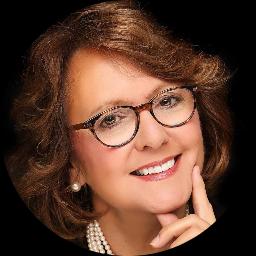
About Lynn
She builds each plan around what the person brings to sessions. That often means using cognitive-behavioral techniques to spot unhelpful thoughts and develop new habits. She also uses client-centered conversations to support people as they make sense of their experience.
Problem-solving strategies and coping skills are woven into practical sessions. For people managing cognitive disorders or post-concussion symptoms, she focuses on clear steps and realistic pacing. Sessions aim to help people gain skills they can use outside therapy.
Her style is collaborative and straightforward. She treats people as the experts on their own lives and helps them strengthen choices and routines that matter. Conversations move at a steady pace and emphasize usable tools.
With decades of practice in Maryland, Dr. Grattan draws on a wide range of techniques to match individual needs. She encourages people to set concrete goals and to track small changes over time. This approach helps make progress feel manageable rather than overwhelming.
Areas of expertise
Also works with
Additional focus areas
Experience
35+ years
Credentials
Maryland
Languages
English
Evidence-based approaches and online options
Dr. Grattan commonly uses cognitive-behavioral techniques and client-centered methods to address thoughts and everyday habits. Cognitive-behavioral work helps people notice unhelpful thought patterns and try new behaviors in daily life, which can reduce anxiety and improve routines. Client-centered work focuses on listening and supporting the person's own goals, helping them make sense of difficult experiences like grief or life transitions.She also incorporates problem-solving and coping skills training to provide concrete steps for immediate concerns. Problem solving breaks big issues into manageable actions, while coping skills build short-term strategies to handle stress and setbacks. Together these approaches aim to create practical change through small, repeated efforts.
Finding the right approach is a collaborative process. The therapist will talk with the person about goals, preferences, and what has worked in the past. From there she tailors techniques and adjusts the plan over time to better match needs and pace.
Session formats are not specified in the biography, so confirm current online options before booking. Online work can make it easier to fit therapy into a busy schedule, reduce travel time, and allow people to practice strategies in the settings where they live and work. Ask about specific session formats when scheduling to choose what fits best.
Frequently asked questions
What concerns does she help with?
She works with stress, anxiety, depression, self-esteem issues, ADHD, grief, and coping with life changes. Additional focuses include caregiver stress, body image, communication problems, and issues related to aging and illness.
What is her therapy style like?
Her sessions are collaborative and practical. She combines conversational, client-centered support with hands-on strategies to change thoughts and everyday habits.
How long has she practiced?
She has 35 years of professional experience in psychology and neuropsychology in Maryland.
What are her credentials and location?
She is a Psychologist licensed in Maryland and practices in that state.
Which languages are sessions offered in?
Sessions are offered in English.
Can international clients work with her?
She does not accept international clients at this time.
How is cost handled?
Cost varies with location and therapist availability, and sessions use a subscription that can be canceled at any time.
How do I begin working together?
Use the Start Therapy button, complete a short matching questionnaire, and schedule according to the therapist's availability.