- Focus on daily habits
- Clear compassionate guidance
- Goal-focused work
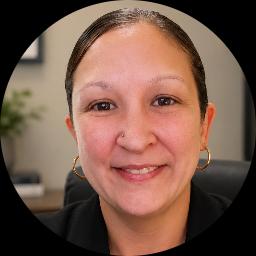
About Malori
She brings three years of practice in a public health setting. That work involved supporting people from many backgrounds and with different needs. Malori adapts her methods to fit each person's goals and situation rather than applying a one-size-fits-all plan.
In sessions she helps people process difficult experiences and work through the effects of trauma and loss. She also addresses patterns like impulsivity, dissociation, and compulsive behaviors by focusing on daily habits and thinking patterns that maintain those problems.
Malori pays attention to practical skills people can use between sessions. She works on communication problems, coping during life changes, and managing mood shifts. The aim is to build small, manageable changes that add up over time.
Her approach balances support with clear, goal-focused work. People who want a therapist who listens, offers concrete strategies, and keeps things human and hopeful may find her approach useful. She practices in North Carolina and offers services in English.
Areas of expertise
Primary focus
Additional focus areas
Experience
3+ years
Credentials
North Carolina
Languages
English
How therapeutic approaches guide online care
Malori uses evidence-based therapeutic techniques that focus on thoughts and everyday habits. Cognitive Behavioral Therapy approaches help people notice unhelpful thinking and try small behavioral changes to reduce anxiety or low mood. They are practical and often include exercises to do between sessions.She also uses trauma-focused methods to help people process difficult experiences and reduce the ways past events shape current reactions. This work often combines talking through memories with grounding and coping strategies aimed at daily life. Both approaches center on skills people can practice outside of sessions to change how they think and act.
Choosing the right approach is a collaborative process. The therapist will work with the client to identify goals, try methods, and adjust the plan based on what is most helpful. This collaborative testing helps find a good fit for each person's needs and preferences.
The original biography does not list specific session formats, so confirm available options before booking. In general, online therapy can make it easier to fit sessions into a busy life, shorten travel time, and allow for more consistent check-ins when schedules are tight. It can also let people choose parts of treatment that focus on brief skills practice or longer processing work depending on what they need.
Frequently asked questions
What kinds of problems does this therapist help address?
She works with stress, anxiety, depression, relationship issues, trauma and abuse, and coping with life changes, plus related concerns like attachment, postpartum depression, and obsessive-compulsive behaviors.
What is her therapeutic style and approach?
She uses evidence-based therapeutic techniques and focuses on thoughts and everyday habits. Her style is described as kind, direct, and practical, emphasizing skills people can use between sessions.
How much experience does she have?
She has three years of clinical experience working in a public health setting.
Where is she licensed and located?
She is a Licensed Clinical Social Worker (LCSW) licensed in North Carolina and practices in that state.
Are sessions available in other languages or internationally?
Sessions are offered in English. She is not accepting international clients.
What session formats are offered?
The original biography does not specify session formats. Please confirm current session options before booking.
How is cost handled for sessions?
Cost varies with location and therapist availability; sessions use a subscription that can be canceled at any time.
How do I begin working with her?
Choose the Start Therapy button, complete a short matching questionnaire, and schedule based on the therapist's availability.