- Stress and anxiety
- Habits and thoughts
- Motivation and change
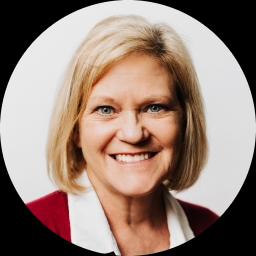
About Marla
Marla began her counseling work in schools more than 15 years ago and transitioned toward clinical practice in 2018. She completed the move into full-time LPC practice in June 2021 and has seven years as an LPC. Over the years she has worked with people across a wide age range, gaining experience with different life stages and challenges.
Her approach draws on Client-Centered ideas and techniques from cognitive behavioral therapy and dialectical behavior therapy. She also uses motivational interviewing strategies and eye movement desensitization and reprocessing as part of her toolbox. Sessions focus on concrete steps people can try between visits and on changing everyday thought and habit patterns.
Marla helps people address self-esteem, coping with life transitions, and communication or control issues alongside more specific concerns like substance use, eating-related problems, chronic illness, and caregiver stress. She emphasizes respect, sensitivity, and working together to build a plan that fits each person’s situation.
She offers sessions in English and practices in Texas. To start, clients complete a short matching questionnaire and then schedule appointments according to the therapist's availability.
Areas of expertise
Primary focus
Additional focus areas
Therapeutic approaches
Experience
7+ years
Credentials
Texas
Languages
English
How therapeutic approaches guide online care
Client-Centered Therapy emphasizes a respectful, listening approach where the therapist follows the person's lead and helps them make practical choices. It is useful for building confidence and working through self-esteem or life-change concerns.Cognitive Behavioral Therapy (CBT) focuses on identifying and changing unhelpful thoughts and habits. CBT is often used for stress, anxiety, and everyday habit changes by setting small, doable tasks between sessions.
Dialectical Behavior Therapy (DBT) offers skills for managing strong emotions and improving interpersonal effectiveness. It can be helpful for anger, relationship tensions, and staying steady during big life changes.
Finding the right approach is a collaborative process. The therapist will talk with each person about their goals, try different strategies when needed, and adjust the plan based on what helps most. Clients and the therapist work together to pick methods that fit the person's needs and preferences.
Confirm the therapist's current session options before booking since formats are not specified here. Online therapy can make it easier to fit sessions into a busy week, shorten check-ins when time is limited, or avoid travel time. Licensed professionals can use these advantages to focus on habit changes, coping skills, and practical steps that translate into everyday life.
Frequently asked questions
What concerns does Marla focus on?
She works with stress, anxiety, addictions, anger, self-esteem, and coping with life changes, plus related issues such as caregiver stress, chronic illness, and communication problems.
What is her therapeutic style like?
The style is practical and client-centered, using techniques from cognitive behavioral therapy and dialectical behavior therapy to change thoughts and everyday habits.
What background does she bring to sessions?
Marla started as a school counselor over 15 years ago and has seven years practicing as an LPC in clinical settings.
Where is she licensed and located?
She holds the LPC credential and practices in Texas.
Which languages are supported?
Sessions are offered in English.
Can people outside the United States work with her?
International clients are not currently accepted.
How does cost and billing work?
Cost varies with location and therapist availability; sessions use a subscription that can be canceled at any time.
How do I begin a therapy relationship?
Use the Start Therapy button, complete a short matching questionnaire, and schedule sessions according to the therapist's availability.