- Thoughts and habits
- Goal oriented
- Plainspoken support
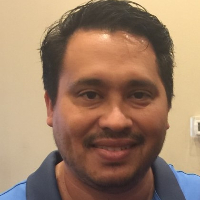
About Michael
He has 19 years of clinical experience across psychiatric hospitals, private practice, and corporate healthcare. That range gave him regular exposure to anxiety, trauma, and persistent mental health challenges, along with addictions and grief. Those settings shaped a calm, problem-focused style aimed at reducing distress and restoring routine.
In sessions he often uses cognitive behavioral ideas to identify unhelpful thought patterns and build new habits. He pairs that with client-centered work that follows what each person brings to the room. Mindfulness and motivational interviewing are also part of his approach when they fit a person's needs.
Michael describes therapy as a collaboration. He listens first, then suggests small, practical changes people can try between visits. He also uses coaching-style conversations for concrete goals like sleep, career shifts, or managing compassion fatigue.
People in Texas will find his practice grounded and straightforward. Anyone planning to start should be ready to talk about goals, daily routines, and the small habits that shape thinking and behavior.
Areas of expertise
Primary focus
Also works with
Additional focus areas
Therapeutic approaches
Experience
19+ years
Credentials
Texas
Languages
English
How his approaches translate to online work
Michael frequently uses cognitive behavioral therapy and client-centered therapy in session. Cognitive behavioral therapy looks at thought patterns and daily habits, then builds small experiments to test new ways of thinking and acting; it is often helpful for anxiety, depression, sleep issues, and coping with stress. Client-centered therapy focuses on listening and following what the person brings, creating space to name priorities and decide next steps together.Choosing the right approach is a collaborative process. The therapist will talk with each person about goals, preferences, and what has helped before, then suggest a blend of methods to try. Adjustments are made as progress unfolds so the work stays useful and relevant.
If you are interested in online sessions, confirm the current session options before booking. Online work can make it easier to fit therapy into a busy life by removing travel time and allowing shorter check-in conversations when needed. It also lets people continue momentum between major life changes without waiting for an in-person appointment.
Frequently asked questions
What concerns can Michael help with?
He helps people dealing with stress, anxiety, depression, relationship strain, addictions, grief, sleep problems, parenting stress, and other life changes.
What is his therapeutic style like?
Sessions are practical and collaborative, blending client-centered listening with cognitive behavioral techniques and goal-focused coaching.
How much experience does he have?
He brings 19 years of clinical experience working in psychiatric hospitals, private practice, and corporate healthcare.
What credentials and location are listed for the therapist?
He is a Licensed Professional Counselor (LPC) practicing in Texas.
Which languages are supported?
Sessions are offered in English.
Can international clients work with him?
He does not accept international clients at this time.
How does payment and cost work?
Cost varies by location and therapist availability; sessions use a subscription that can be canceled at any time.
How do I get started with scheduling?
Select the Start Therapy button, complete a short matching questionnaire, and schedule according to therapist availability.