- Thoughts and habits
- Practical skills
- Values-based work
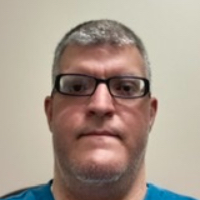
About Michael
He brings 17 years of clinical experience in Tennessee to each session. Michael uses straightforward methods drawn from cognitive behavioral therapy and acceptance and commitment therapy to address unhelpful thoughts and daily habits. He also draws on client-centered and dialectical behavior ideas when a calm, steady space is needed to sort things out.
Sessions emphasize concrete skills and small experiments. People learn ways to notice automatic thoughts, try different behaviors, and practice gentle self-compassion. Work often includes communication skills for relationship issues, coping tools for mood and stress, and strategies for handling urges around substance use.
Michael pays attention to life context and values. He supports people through transitions like separation, career change, or medical challenges such as cancer. He also addresses attachment, intimacy, and topics sometimes left out of typical therapy conversations, including kink and alternative sexual cultures.
He uses a collaborative tone and helps people choose goals that fit their life. If you want clear steps and down-to-earth guidance about thoughts and everyday habits, he may be a good match.
Areas of expertise
Primary focus
Also works with
Additional focus areas
Therapeutic approaches
Experience
17+ years
Credentials
Tennessee
Languages
English
How specific approaches shape online work
Acceptance and Commitment Therapy (ACT) focuses on clarifying what matters to a person and taking steps toward those values while learning to live with difficult thoughts and feelings. It is useful for long-term stresses, anxiety, depression, and decisions about life direction. Cognitive Behavioral Therapy (CBT) looks at the links between thoughts, feelings, and behaviors and teaches practical exercises to change unhelpful patterns. CBT is often chosen for anxiety, mood management, and habit change. Client-Centered Therapy emphasizes a respectful, nonjudgmental space where the client’s perspective guides the work and the therapist responds with active listening and empathy.Finding the right approach is part of the process, and Michael will work with the person to figure out what fits. He talks through goals, tries methods collaboratively, and adjusts techniques based on what helps most. Clients are invited to give feedback so the plan can shift over time.
Confirm current session formats before booking since options were not specified in the biography. In general, online therapy can make it easier to fit sessions into a busy week, reduce travel time, and allow for shorter check-ins when needed. It can also let someone practice skills and communication from their everyday context, then bring what they learn back to sessions for review and adjustment.
Frequently asked questions
What kinds of concerns does he help with?
He works with people facing anxiety, depression, addiction, grief, relationship and intimacy challenges, stress, self-esteem problems, bipolar mood concerns, ADHD, and related life changes.
What is his general therapy style?
His style is collaborative and practical, focusing on thoughts and everyday habits. Sessions mix skill teaching, behavioral experiments, and values-focused conversations.
How much clinical experience does he have?
He has 17 years of experience providing psychotherapy in Tennessee and brings that background to session work and treatment planning.
What credentials and region apply to this therapist?
He is a LCSW, which stands for Licensed Clinical Social Worker, and practices in Tennessee.
Which languages are supported for sessions?
Sessions are offered in English.
Are international sessions available?
He is not currently accepting international clients.
How are session costs handled?
Cost varies with location and therapist availability; sessions use a subscription that can be canceled at any time.
How do I begin working with him?
Click the Start Therapy button, complete a short matching questionnaire, and schedule according to therapist availability.