- Thoughts and habits focus
- Practical coping steps
- Longtime licensed social worker
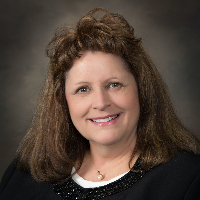
About Patricia
She helps people facing stress, anxiety, grief, and depression. She also supports those dealing with low self-esteem, career worries, relationship strain, and the effects of trauma and loss. Conversations in sessions are straightforward and focused on practical steps the person can try between meetings.
Patricia uses methods such as Acceptance and Commitment Therapy, Cognitive Behavioral Therapy, and Client-Centered Therapy to guide her work. She draws on mindfulness and motivational interviewing to help people notice patterns in thinking and take actions that match their values. The emphasis is on habits and everyday choices rather than labels or tests.
Her long experience includes helping people navigate midlife changes, caregiver stress, end-of-life concerns, and workplace difficulties. She also supports those facing obsessive thoughts, panic, phobias, and social anxiety. Sessions are intended to be a collaborative process where goals are set together.
People who reach out usually start by describing what feels most urgent. Patricia then helps break problems into manageable steps and tracks progress over time. The focus is on building practical skills and clearer thinking to improve daily life.
Areas of expertise
Primary focus
Also works with
Additional focus areas
Therapeutic approaches
Experience
28+ years
Credentials
Louisiana, Mississippi
Languages
English
Approaches that guide online work
Acceptance and Commitment Therapy (ACT) helps people notice unhelpful thoughts and commit to actions that match their values. It is often used for anxiety, stress, and grief to move toward meaningful daily routines. Cognitive Behavioral Therapy (CBT) focuses on identifying thought patterns that influence feelings and behavior, and on trying practical experiments to change those patterns. Client-Centered Therapy centers the person's own goals and experience, with the therapist offering empathic listening and gentle guidance.Finding the right approach is part of the process. The therapist will work together with each person to pick methods that fit their needs, goals, and preferences. That means trying things, checking what helps, and adjusting over time rather than prescribing one fixed method.
Confirm current session options before booking since formats are not specified here. Online work can make it easier to fit appointments around a busy day, allow shorter check-ins when needed, and reduce travel time. It also lets people practice skills in the settings where they live and work, then bring observations back to sessions for discussion and planning.
Frequently asked questions
What kinds of concerns does this therapist address?
She works with stress, anxiety, grief, depression, self-esteem, career issues, relationship and family concerns, trauma and abuse, and many everyday struggles like sleeping, eating, and anger.
How would you describe her therapeutic style?
Her style is straightforward and collaborative, focusing on thoughts and everyday habits. She uses practical techniques and listening to help people try small changes between sessions.
What is her professional background?
She has 28 years of professional experience working in social work settings and with individuals facing a wide range of life challenges.
What credentials and location should I know about?
She holds the LCSW credential and practices in Louisiana.
Which languages are supported for sessions?
Sessions are offered in English.
Can people outside the country work with this therapist?
International clients are not currently accepted.
How does payment or cost work for sessions?
Cost varies with location and therapist availability; sessions use a subscription that can be canceled at any time.
How do I begin working with her?
Click the Start Therapy button, complete a short matching questionnaire, and then schedule according to therapist availability.