- Focus on everyday habits
- Trauma-informed care
- Skills-based work
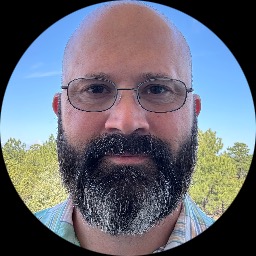
About Paul
Paul's background includes military service where he began as a mental health technician and later served as an Army officer and active duty social worker. He completed a Master of Social Work and met licensing requirements for Colorado and North Carolina, holding LCSW and CSW credentials. That experience included work with trauma, substance use concerns, and survivors of domestic or sexual violence.
In sessions he focuses on thoughts and everyday habits, and uses approaches like cognitive and mindfulness-based techniques to help people notice unhelpful patterns and try new responses. He also draws on methods that address intense emotions and traumatic memories when appropriate. Paul emphasizes meeting people where they are and moving at a pace that fits each person's situation.
People can expect direct, practical steps alongside space to talk through difficult moments. Paul aims to make therapy feel manageable by focusing on skills that can be used between meetings. The goal is clearer thinking and steadier day-to-day routines that support recovery and better functioning.
Areas of expertise
Primary focus
Also works with
Additional focus areas
Therapeutic approaches
Experience
15+ years
Credentials
North Carolina, Colorado
Languages
English
How clinical approaches shape online therapy
Paul commonly uses Cognitive Behavioral Therapy and Eye Movement Desensitization and Reprocessing as part of his work. CBT looks at the links between thoughts, feelings, and actions and teaches practical steps to change unhelpful thinking and habits. EMDR addresses distressing memories by guiding focused attention while processing those memories to reduce their intensity.He also uses mindfulness-based methods to help people notice their present-moment experience and reduce reactivity to difficult thoughts and feelings. Finding the right mix of approaches is part of the therapeutic process. The therapist will work collaboratively to choose methods that fit a person's goals, history, and comfort level, and will adjust the plan as needed.
Confirm current session options before booking, as specific formats are not listed here. Online work can make it easier to fit appointments around daily life, allow shorter check-ins when schedules are tight, and reduce travel time. Many people find that learning CBT skills or doing trauma-focused work remotely lets them practice strategies in their everyday routines and then discuss how those practices went at the next meeting.
Frequently asked questions
What concerns does Paul address in therapy?
He works with issues such as stress, anxiety, trauma and abuse, anger, depression, compassion fatigue, LGBT concerns, family-related stress, sleeping problems, self esteem, career stress, bipolar disorder, and ADHD.
What is Paul’s general approach in sessions?
He uses practical, skills-focused methods like cognitive and mindfulness approaches to help people change thoughts and everyday habits. Sessions often include learning new coping strategies and practicing them between meetings.
How much clinical experience does he have?
He has 15 years of experience in mental health, including roles in the military and work with trauma and substance use concerns.
What credentials and region are associated with this therapist?
He holds LCSW and CSW credentials and is licensed in Colorado and North Carolina, with a practice based in Colorado.
Which languages are supported for sessions?
Sessions are offered in English.
Are sessions available to international clients?
International clients are not currently accepted.
How does payment and cost work?
Cost varies with location and therapist availability, and sessions use a subscription that can be canceled at any time.
How do I begin working with him?
Start by selecting the Start Therapy button, completing a short matching questionnaire, and scheduling according to the therapist's availability.