- Thoughts and habits
- Practical tools
- Warm listening
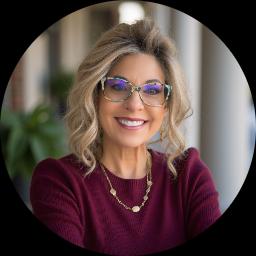
About Paula
She uses practical conversations to build tools that fit daily life. Sessions focus on spotting unhelpful thought patterns and changing small habits that get in the way. She blends client-centered listening with cognitive and behavioral strategies so clients can try new ways of coping and notice what works.
With 17 years of experience, she brings a calm, steady presence and a focus on small positive changes. She tailors treatment plans to each person rather than offering one fixed approach. People are asked about their goals and routines so therapy fits the life they already lead.
Her work emphasizes learning skills and practicing them between sessions. That can include attention to emotions, communication skills, and strategies for managing urges or difficult moods. The aim is to help people build habits that reduce distress and improve day-to-day functioning.
She encourages kindness toward oneself during the change process. Dr. Ehrmantraut frames progress as a series of small steps and offers guidance along the way.
Areas of expertise
Primary focus
Additional focus areas
Therapeutic approaches
Experience
17+ years
Credentials
Montana, Washington, South Dakota, Utah
Languages
English
Approaches that guide online work
Client-centered therapy centers the person and their values, with the therapist listening closely and following the person's lead to build workable goals. It helps people clarify what matters and feel heard while trying new responses. Cognitive Behavioral Therapy, or CBT, focuses on noticing thought patterns and testing them with practical experiments and behavior changes; it often helps with anxiety, depression, and stress by breaking unhelpful cycles. Dialectical Behavior Therapy, or DBT, teaches emotion regulation and coping skills through concrete practices such as distress-tolerance techniques and structured skills training, which can be useful for strong emotions and impulse-related concerns.Finding the right approach is part of the process and the therapist will work together with each person to choose what fits best. Conversations during early sessions clarify goals, daily routines, and preferences so the plan can be adjusted over time. The therapist aims to be collaborative and to help people try approaches in ways that match their life circumstances.
The original biography does not list specific online session formats, so please confirm available options before booking. In general, online work can make it easier to fit therapy into a busy day, allow shorter check-ins when needed, and reduce travel time. It also means people can practice new habits in their everyday settings and discuss real-life situations soon after they happen.
Frequently asked questions
What kinds of concerns does she address?
She supports people with stress, anxiety, depression, addictions, relationship issues, and LGBT concerns, plus many related areas such as body image and chronic illness.
What is her therapeutic style like?
Her style is straightforward and client-centered, combining listening with practical skill building so people can try techniques between sessions.
How much experience does she have?
She has 17 years of experience working with a broad range of concerns and brings that background to individual treatment planning.
What credentials and region apply?
She holds the credentials LCPC, LPC, and LPC-MH and practices in South Dakota.
Which languages are supported?
Sessions are offered in English and she accepts international clients.
What session formats are offered?
The original biography does not specify session formats; please confirm current session options before booking.
How does payment and cost work?
Cost varies with location and therapist availability and sessions use a subscription that can be canceled at any time.
How do I begin if I want to work together?
Use the Start Therapy button, complete a short matching questionnaire, and schedule according to therapist availability.