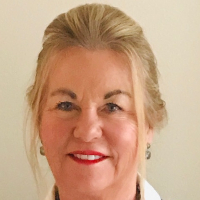
- Warm supportive approach
- Practical strategies
- Works with stress
About Penni
Penni uses a flexible, client-centered approach. She blends methods to match what each person needs and prefers. Sessions often involve clear strategies from cognitive-behavioral work, skills from dialectical behavior therapy, and conversation that helps clients feel heard and understood.
Her background includes a Master of Education and a Master of Social Work, and she holds the LCSW credential, licensed in Florida. Over three decades she has supported people facing depression, anxiety, addiction, grief, career and parenting stresses, and many other concerns listed in her specialties.
In the therapy room she focuses on building trust, then on concrete goals. That might mean practicing new ways to manage stress, changing daily routines that reinforce low mood, or learning emotion-regulation skills for intense moments. She also works with issues like intimacy, self-esteem, ADHD-related challenges, and coping with major life changes.
Penni welcomes international clients and conducts sessions in English. To begin, people complete a short matching questionnaire and schedule sessions based on the therapist's availability. She frames therapy as collaborative work toward a steadier, more satisfying day-to-day life.
Areas of expertise
Primary focus
Also works with
Additional focus areas
Therapeutic approaches
Experience
30+ years
Credentials
Florida
Languages
English
How her approaches translate to online work
Penni blends client-centered work, cognitive-behavioral techniques, and dialectical behavior therapy in straightforward ways. Client-centered work focuses on listening and making the session fit the person, which helps people feel understood before they try new skills. Cognitive-behavioral work looks at thoughts and everyday habits and offers practical exercises to shift patterns that feed anxiety or low mood. Dialectical behavior therapy adds concrete skills for managing strong emotions, improving communication, and tolerating stress without resorting to harmful behaviors.Choosing the right approach is a collaborative process. Penni will talk with each client about goals, preferences, and what has or hasn’t worked before. Together they decide which methods to try and adjust the plan as progress is made.
The original biography does not list specific online session formats, so confirm current options before booking. Online work can make it easier to fit therapy into a busy life - for example, a shorter check-in can fit a work break, telephone sessions can reduce bandwidth needs, and video sessions allow face-to-face conversation when helpful. These practical benefits often help people keep therapy consistent while juggling everyday responsibilities.
Frequently asked questions
What kinds of concerns does Penni address?
She helps with a wide range of issues including stress, anxiety, depression, addictions, grief, relationship and parenting challenges, and concerns like ADHD, body image, and trauma-related difficulties.
How would you describe her therapy style?
Her style is warm and non-judgmental, focused on listening first and then using practical tools. Sessions mix client-centered conversation with skill-based techniques to change thoughts and habits.
How much experience does she bring?
Penni has been practicing for 30 years, working across many common and complex concerns during that time.
What are her credentials and where is she located?
She holds a Master of Education, a Master of Social Work, and is an LCSW licensed in Florida.
Which languages and international options are available?
Sessions are offered in English, and she accepts international clients.
What session formats are offered?
The original biography does not list specific session formats; please confirm current session options before booking.
How is cost handled for sessions?
Cost varies with location and therapist availability, and sessions use a subscription that can be canceled at any time.
What are the first steps to begin therapy?
Select the Start Therapy button, complete a short matching questionnaire, and then schedule according to the therapist's availability.