- Strengths-based approach
- Skills for daily life
- Thoughts and habits
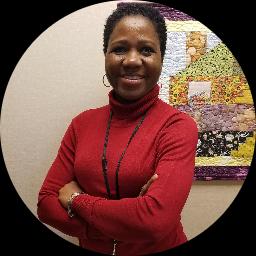
About Prisca
Prisca emphasizes practical support and steady encouragement. Sessions are aimed at talking through what feels most pressing right now and finding small steps that make daily life easier. She invites people to try new ways of thinking and behaving while respecting each person’s pace.
Her background includes long-term work with mood and trauma-related concerns. She has worked with people navigating complex family and parenting challenges, as well as those dealing with anger, impulsivity, and issues tied to immigration or cultural adjustment. She also supports people coping with obsessive thoughts, panic, and other anxiety-related symptoms.
Therapeutic tools commonly used include client-centered conversations, Cognitive Behavioral Therapy (CBT) techniques, and Dialectical Behavior Therapy (DBT) skills. Motivational Interviewing and Narrative Therapy are also part of her approach when fitting for a person's goals. These methods are used to clarify values, change unhelpful thinking patterns, and build practical coping skills.
Prisca’s style is collaborative and down-to-earth. She aims to create a calm space for honest conversation and steady progress. People who want concrete strategies for everyday thoughts and habits often find this approach helpful.
Areas of expertise
Primary focus
Also works with
Additional focus areas
Therapeutic approaches
Experience
13+ years
Credentials
Minnesota
Languages
English
Using practical therapy approaches online
Client-Centered Therapy focuses on listening and understanding your perspective. The therapist follows your lead, reflects your experience, and helps you identify your own goals and strengths. This approach can help people who want a supportive space to make sense of hard feelings.Cognitive Behavioral Therapy, or CBT, looks at the link between thoughts, feelings and actions. It uses straightforward techniques to test unhelpful thoughts and try new behaviors. CBT can be useful for anxiety, depression, panic, and changing everyday habits that get in the way.
Finding the right approach is part of the work. The therapist will talk with each person about goals and preferences and suggest which methods to try. This is a collaborative process and can change over time as needs shift.
If you are considering online sessions, confirm which session formats are currently offered before booking. Online work can make it easier to fit therapy into a busy schedule, allow shorter check-ins when time is limited, and reduce travel time. It can also let people focus on skills practice in their usual routine. Ask about logistics and scheduling when you complete the matching questionnaire so you know how sessions will fit your life.
Frequently asked questions
What concerns does Prisca commonly address?
She supports people with stress, anxiety, depression, grief, trauma and relationship issues, plus ADHD and mood disorders.
How would you describe her therapeutic style?
Her style is collaborative and down-to-earth, using practical steps and strength-focused conversation to help people change thoughts and habits.
What experience does she bring to sessions?
She has 13 years of professional experience working with mood and trauma-related concerns and a range of family and cultural issues.
What are her credentials and where is she located?
She is a LICSW licensed in Minnesota and practices with that credential in the state.
Which languages are supported for sessions?
Sessions are offered in English.
Are international clients served?
International clients are not currently accepted.
How are session costs handled?
Costs vary with location and therapist availability, and sessions use a subscription that can be canceled at any time.
How do I begin working with her?
Select the Start Therapy button, complete a short matching questionnaire, and schedule according to therapist availability.