- Thoughts and habits
- Trauma informed care
- Practical coping skills
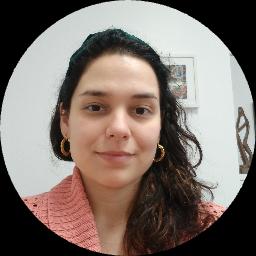
About Rachel
She views the person as the expert on their experience and focuses on building coping skills that fit daily life. Sessions emphasize clear reflection, learning new ways to respond to difficult thoughts, and small habit changes that add up. Rachel uses tools from several approaches to match what a person needs in the moment.
Her background includes work with people affected by incarceration, veterans, HIV/AIDS, substance use issues, and palliative or end-of-life care. She has supported people managing PTSD, complex grief, bipolar disorder, postpartum anxiety and depression, disordered eating, and addiction. That range shapes a flexible, trauma-aware practice.
Rachel has 11 years of clinical experience and holds LCSW credentials in New Jersey and New York. She draws on client-centered methods, cognitive behavioral techniques, dialectical behavior skills, mindfulness, and elements of relationship-focused work. This mix helps address thought patterns and everyday habits alongside emotional healing.
People who choose her can expect a steady, practical approach. The therapist helps identify realistic goals and small steps to reach them. Prospective clients are encouraged to describe their situation honestly so sessions start with a clear focus.
Areas of expertise
Additional focus areas
Therapeutic approaches
Experience
11+ years
Credentials
New York, New Jersey
Languages
English
How therapeutic approaches shape online care
Client-centered therapy focuses on listening and reflecting what matters to the person. It helps people feel heard and clarify goals so practical steps can follow. Cognitive behavioral therapy (CBT) looks at thoughts and behaviors and teaches skills to change unhelpful patterns; it can be useful for depression, anxiety, and habit changes. Dialectical behavior therapy (DBT) adds skills for emotion regulation, distress tolerance, and clearer communication when feelings run high.Finding the right approach is part of the work together. The therapist will talk with the person about their goals, preferences, and day-to-day needs, then try methods that seem most useful. This is collaborative and can shift as challenges change over time.
The practical benefit of online therapy is that it can fit into busy schedules and make attending sessions easier. Because the exact session formats were not listed in the biography, confirm the current options before booking. Online work can support skill practice between meetings, allow shorter check-ins when needed, and reduce travel time so therapy fits into daily routines.
Frequently asked questions
What concerns does Rachel commonly address?
She focuses on trauma and abuse, grief, self-esteem, depression, and coping with life changes. She also helps with issues like attachment, body image, chronic illness, caregiver stress, and eating concerns.
What is her general therapy style?
Her approach is collaborative and client-centered, emphasizing reflection and practical coping skills. She adapts methods to match each person's needs and daily life.
What experience does she bring to sessions?
She has 11 years of clinical experience and has worked with people affected by incarceration, veterans, HIV/AIDS, substance use, and palliative care. That background informs her trauma-aware practice.
What credentials and location are listed?
She holds LCSW credentials and is licensed in New Jersey and New York. Her practice is based in New Jersey.
Which languages are supported?
Sessions are offered in English. International clients are accepted.
What session formats are available?
Session formats were not specified in the biography. Please confirm current session options before booking.
How does pricing work?
Cost varies with location and therapist availability, and sessions use a subscription that can be canceled at any time.
How do I begin working with her?
Select the Start Therapy button, complete a short matching questionnaire, and schedule according to therapist availability.