- Person-centred approach
- Practical habit work
- Trauma aware support
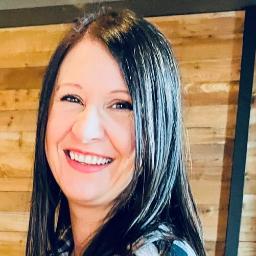
About Rachel
She frames sessions around what each person needs, rather than following a rigid plan. That means exploring daily routines, unhelpful thinking patterns, relationships, and behaviours that get in the way of feeling better. Rachel supports people through loss, grief and major life changes while helping with depression, trauma, abuse and issues with self-esteem.
Her background includes voluntary work with Victim Support Scotland and Healed Scars, where she supported people affected by emotional abuse and sexual and domestic violence. Those roles informed how she listens to difficult stories and helps people rebuild coping strategies.
Rachel holds a COSCA accredited Diploma in Counselling and a COSCA Certificate in Counselling. She is registered with the British Association of Counsellors and Psychotherapists, shown as MBACP. These credentials reflect her professional links in the United Kingdom.
Sessions are guided by the person in front of her, with an emphasis on small, workable changes in thinking and daily habits. She brings five years of practical counselling experience to each session and aims to help people find clearer ways to manage life’s pressures.
Areas of expertise
Primary focus
Also works with
Additional focus areas
Therapeutic approaches
Experience
5+ years
Credentials
BACP · United Kingdom
Languages
English
How Rachel’s approaches work in online counselling
Acceptance and Commitment Therapy (ACT) focuses on noticing thoughts and choosing actions that match your values. It can help when worry or unhelpful thinking gets in the way of day-to-day life. Cognitive Behavioral Therapy (CBT) looks at the link between thoughts, feelings and behaviours and breaks problems into small, manageable steps to change routines and reactions.Finding the right approach is part of the work. Rachel will talk with each person about their goals and preferences and then try methods that suit those needs. This is a collaborative process and adjustments can be made as therapy progresses.
The practical benefits of online therapy include fitting sessions into a busy life and keeping appointments that might otherwise be hard to reach. Online work can make it easier to have shorter check-ins, reduce travel time and allow sessions during a lunch break or between commitments. Because the original profile does not list specific session formats, please confirm current session options before booking so you know what formats are available.
Frequently asked questions
What kinds of problems does Rachel help with?
She supports people with stress, anxiety, depression, trauma and abuse, grief, relationship and intimacy-related concerns, addictions and issues with self-esteem and sleeping.
How would you describe her therapeutic style?
Rachel works in a person-centred, non-directive way and integrates approaches such as ACT, CBT and DBT to match each person’s needs.
What relevant experience does she bring?
She has five years of counselling experience and voluntary work with Victim Support Scotland and Healed Scars supporting people affected by emotional abuse and sexual and domestic violence.
Where is she based and what are her credentials?
Rachel practices in the United Kingdom and holds a COSCA accredited Diploma and COSCA Certificate in Counselling; she is a member of the British Association of Counsellors and Psychotherapists (MBACP).
Which languages are supported for sessions?
Sessions are offered in English.
Can people outside the UK work with her?
International clients are accepted, so people outside the UK can enquire about working together.
How are sessions arranged and paid for?
Costs vary with location and therapist availability; sessions use a subscription model that can be cancelled at any time.
How do I begin if I want to try counselling with her?
Click the Start Therapy button, complete a short matching questionnaire, and then schedule sessions according to the therapist’s availability.