- Thoughts and habits
- Practical steps
- Long experience
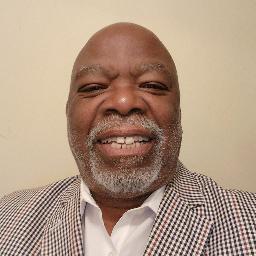
About Richard
He uses a straightforward style in sessions. He listens first and then helps people notice their thoughts and everyday habits that keep problems going. He works with ideas from Client-Centered Therapy and Cognitive Behavioral Therapy to shape conversations and decide what to try together.
Over 26 years in practice have built a very hands-on approach. He focuses on clear, doable steps rather than long lists of theory. That can include identifying unhelpful thinking patterns, testing small behavior changes, and checking what actually helps over time.
Richard also pays attention to specific concerns such as avoidant and dependent personality patterns, blended family issues, infidelity, obsessive-compulsive patterns, process addictions, and veteran-related issues. He adapts the conversation to each person's life and goals rather than following one fixed method.
Taking the first step can feel hard, and he aims to make it as simple as possible. People who want to start answer a short matching questionnaire and then schedule a session based on the listed process.
Areas of expertise
Primary focus
Additional focus areas
Therapeutic approaches
Experience
26+ years
Credentials
New York
Languages
English
How his approaches translate to online work
Client-Centered Therapy focuses on listening and following the client's lead. The therapist offers empathy, reflection, and support so the person can find their own solutions; this helps with relationship and life-purpose concerns. Cognitive Behavioral Therapy, or CBT, looks at the link between thoughts, feelings, and actions. It helps people spot unhelpful thinking and try small behavior changes to reduce anxiety, low mood, or OCD-like patterns.Finding the right approach is part of the work. He will collaborate with each person to decide which methods suit their goals and preferences. That discussion can include trying a few techniques and checking what helps over several sessions.
The original biography does not list specific online session formats, so confirm current options before booking. Online work can make it easier to fit sessions into a busy week, shorten check-ins when needed, and reduce travel time. It can also allow flexible scheduling for people who live outside the therapist's city, including international clients who are accepted.
Frequently asked questions
What issues does this therapist support?
He works with stress, anxiety, depression, relationship and family problems, and trauma and abuse. Additional focuses include things like obsessive-compulsive patterns, process addictions, personality concerns, and veteran-related issues.
How would you describe the therapy style?
Sessions are collaborative and down-to-earth. He listens, helps people notice thinking and daily habits, and works toward small practical changes.
How much clinical experience is brought to sessions?
He has 26 years of professional experience. That background shapes a practical, results-focused way of working.
What credentials and location are listed?
He holds the LCSW-R credential and is licensed in New York.
Which languages are available for sessions?
Sessions are offered in English and international clients are accepted.
What session formats are offered?
The original biography does not specify session formats. Please confirm current session options before booking.
How are fees and payment handled?
Cost varies with location and therapist availability, and sessions use a subscription that can be canceled at any time.
What are the steps to begin working together?
Start by selecting the Start Therapy button, complete a short matching questionnaire, and then schedule according to therapist availability.