- Person-centred approach
- Practical habit work
- Collaborative goal setting
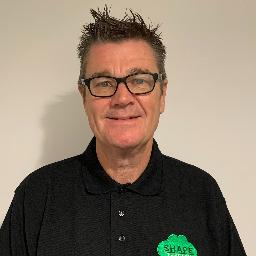
About Robert
He uses a person-centred style that starts with listening and understanding. That means time in sessions is focused on the person's experience and feelings. He aims to create a non-judgemental space for honest conversation and practical change.
Robert draws on a mixture of approaches when needed. He uses cognitive behavioural ideas to spot unhelpful thoughts and habits. Motivational Interviewing techniques help people find internal reasons to change, especially around addiction and lifestyle shifts.
His background includes volunteering work addressing alcohol-related issues, where he gained practical experience with CBT and Motivational Interviewing. He speaks from personal experience of recovery from addiction and depression, which informs his practical, down-to-earth style.
In sessions he focuses on emotions and everyday habits. He helps people talk through feelings like shame, guilt, anger and isolation, and works with goals such as improving sleep, managing impulses, rebuilding self-esteem or finding direction in work and life. He encourages collaborative steps that fit each person's situation.
Areas of expertise
Primary focus
Also works with
Additional focus areas
Therapeutic approaches
Experience
5+ years
Credentials
BACP · United Kingdom
Languages
English
How Robert blends approach and online support
Robert works from a person-centred base that focuses on listening and empathic understanding. This approach helps when someone needs space to talk about painful feelings, shame or grief and wants a counsellor who reflects their experience back without judgement.He also uses cognitive behavioural techniques to spot and change unhelpful thoughts and everyday habits. CBT can be useful for anxiety, low mood, sleep problems and behaviours linked to addiction. Motivational Interviewing is another element he uses to help people find their own reasons to change and to build momentum for new habits.
Finding the right approach is part of the work. He will collaborate with each person to decide which methods fit their needs and goals. That means sessions can combine listening, practical habit work and brief goal-focused steps depending on what is helpful.
The biography does not list specific session formats, so please confirm available options before booking. Online therapy can make it easier to fit sessions into daily life by removing travel time, allowing shorter check-ins when needed and offering options that suit quieter surroundings or limited bandwidth. Discussing practical arrangements early on helps shape sessions that work with your routine and priorities.
Frequently asked questions
What kinds of problems does Robert help with?
He supports people with stress, anxiety, addiction, depression and issues such as grief, trauma, relationship strain and problems with sleep or eating.
How would he describe his therapeutic style?
His work is person-centred, starting from listening with empathy. He aims to provide a straightforward, non-judgemental space for people to talk through feelings and habits.
What experience does he bring to sessions?
He has five years of experience and has volunteered on alcohol support work, where he used CBT and Motivational Interviewing in practice.
What professional credential does he hold and where is he based?
He is registered with the British Association for Counselling and Psychotherapy (BACP) and is based in the United Kingdom.
Can I work with him if I live outside the UK?
Sessions are offered in English and he accepts international clients.
Which session formats are available?
The original biography does not specify session formats, so please confirm current options with the service before booking.
How are sessions priced?
Cost varies with location and therapist availability; sessions use a subscription that can be cancelled at any time.
How do I start working with him?
Use the Start Therapy button, complete a short matching questionnaire, and schedule according to the therapist's availability.