- Thoughts and habits
- Warm, direct style
- Practical skill building
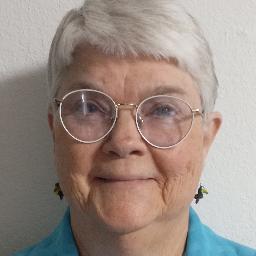
About Ruth
Ruth has worked in a state hospital, an outpatient mental health clinic, and a volunteer counseling center. She also taught school and mentored students, so she is comfortable talking about struggles related to work, school, and parenting. Her background includes long-term experience with depression, anxiety, grief, trauma and abuse, and addiction concerns.
Her style is relaxed and interactive. Sessions focus on clear, down-to-earth conversation and skill-building rather than jargon. Ruth combines client-centered listening with practical strategies drawn from cognitive-behavioral and related approaches to help people change unhelpful thinking and daily habits.
Clients can expect goal-focused work that is adjusted to their situation. She pays attention to patterns that affect mood, sleep, eating, and relationships, and helps people try small, doable changes. Ruth also supports those dealing with chronic illness, caregiver stress, and major life transitions.
Ruth describes herself as sensitive and compassionate while staying straightforward about next steps. If someone wants help sorting thoughts, building healthier habits, or coping better day-to-day, she guides them toward realistic tools and clearer choices.
Areas of expertise
Primary focus
Also works with
Additional focus areas
Therapeutic approaches
Experience
28+ years
Credentials
Texas
Languages
English
Approaches that guide online sessions
Ruth draws on client-centered therapy to create a listening, nonjudgmental atmosphere where people set the pace and goals for their work. This approach emphasizes empathy and respect while centering the person's own priorities.She also uses cognitive-behavioral therapy, which focuses on identifying unhelpful thoughts and testing new behaviors. CBT is practical for anxiety, depression, sleep and eating patterns, and habit change because it links thinking to daily actions.
Finding the right approach is a collaborative process. Ruth will talk with each person about their needs, goals, and preferences and tailor methods as therapy progresses. Together they decide which tools to try and when to shift strategies.
If you plan to do online sessions, confirm the session formats available before booking. The main practical benefit of online work is flexibility - it can make it easier to fit sessions around work, school, caregiving, or medical appointments. Online appointments can also allow for shorter check-ins when needed or let people choose audio-only options if they prefer not to be on camera. Ask about format options when scheduling so sessions match your day-to-day life.
Frequently asked questions
What kinds of concerns does Ruth help with?
She works with stress, anxiety, depression, grief, trauma and abuse, addictions, relationship and intimacy-related issues, sleep and eating concerns, parenting challenges, anger, self-esteem, career issues, bipolar concerns, and coping with life changes.
How would you describe her therapeutic style?
Her style is relaxed and interactive. She listens in a client-centered way and uses practical, skills-focused methods to change thinking and everyday habits.
What is her professional background?
Ruth has 28 years of experience working in a state hospital, an outpatient mental health clinic, and a volunteer counseling center, and she has taught and mentored students.
Where is Ruth licensed and based?
She is a licensed professional counselor (LPC) practicing in Texas.
Which languages are supported for sessions?
Sessions are offered in English.
Can people outside the United States work with her?
She does not accept international clients at this time.
How much do sessions cost?
Cost varies with location and therapist availability; sessions use a subscription that can be canceled at any time.
What are the first steps to begin working together?
Select the Start Therapy button, complete a short matching questionnaire, and schedule according to therapist availability.