- Focus on thoughts
- Practical skills
- Respectful support
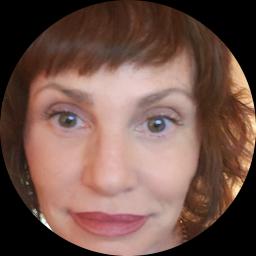
About Sandra
She shapes conversations around each person's needs and goals. That means building a plan together and adjusting it when something isn’t working. Dr. Madaris uses methods that focus on thoughts and everyday habits to help people manage strong emotions, change unhelpful patterns, and rebuild motivation.
Sessions often include skills practice, plain-language explanations, and concrete homework between meetings. She draws on approaches such as acceptance and commitment work, cognitive techniques, and emotion-focused strategies to help people handle triggers and improve coping. The therapy style blends supportive listening with tools to try outside sessions.
Her background includes long-term clinical work in a range of settings across Georgia. She brings steady experience to complex problems like substance use, relationship pain, and trauma responses. People who want a practical, collaborative approach to thinking and daily routines may find this style helpful.
Beginning therapy with Dr. Madaris starts with a short matching step and scheduling. She aims to meet people where they are and help them take small, concrete steps toward clearer thinking and better daily habits.
Areas of expertise
Primary focus
Additional focus areas
Therapeutic approaches
Experience
23+ years
Credentials
Georgia
Languages
English
Approaches that guide online work and practical change
Acceptance and Commitment Therapy (ACT) encourages noticing thoughts and choosing actions that match personal values. This approach helps when people feel stuck by painful thoughts or avoidance and want to take meaningful steps despite discomfort.Cognitive Behavioral Therapy (CBT) looks at the links between thoughts, feelings, and actions. It uses clear exercises to test unhelpful thoughts and build different habits, which can help with depression, anxiety, and low self-esteem.
Finding the right approach usually takes a few conversations. The therapist will collaborate with the client to decide which methods fit their goals and daily life. That plan can change as real-world practice shows what helps most.
If you are considering online work, confirm the session formats available before booking since the biography does not list them. Online options can make it easier to fit therapy into a busy schedule, allow shorter check-ins when needed, and remove travel time. Many people find digital sessions useful for maintaining consistency and practicing new habits between meetings, while still working directly with a licensed professional.
Frequently asked questions
What kinds of concerns can be addressed here?
Common concerns include addictions, trauma and abuse, anger, low self-esteem, and depression. There is also experience with related issues like codependency, caregiver stress, and body image.
How would you describe the therapy style?
The style is collaborative and practical. Conversations focus on thoughts and everyday habits, with skills practice and homework to try between sessions.
What is the clinician's experience?
The therapist has 23 years of professional experience working in clinical settings. That background includes work with substance use, trauma responses, and emotional regulation concerns.
What credentials and location are listed?
The clinician holds LCSW and CSW credentials and is licensed in Georgia. Sessions are offered from that state.
Are sessions offered in other languages or internationally?
Sessions are offered in English. International clients are not currently accepted.
Which session formats are available?
The original biography does not specify session formats. Please confirm current session options before booking.
How does cost and billing work?
Cost varies with location and therapist availability. Sessions use a subscription model that can be canceled at any time.
How do I begin if I want to work together?
Start by selecting the Start Therapy button, completing a short matching questionnaire, and then scheduling according to therapist availability.