- Goal focused
- Faith-friendly option
- Practical skills
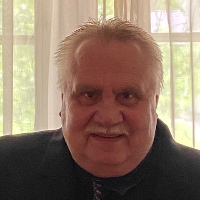
About Scott
Scott helps people facing anxiety, depression, addiction, trauma, and mood disorders. He also supports those dealing with stress, grief, sleep problems, anger, low self-esteem, career change, and ADHD. He aims to make sessions straightforward and goal-focused so people leave with clear next steps.
His style is empathetic and client-centered. Scott uses clear tools from Cognitive Behavioral Therapy and Dialectical Behavior Therapy to address thoughts and everyday habits. He often blends those with motivational interviewing, existential thinking, mindfulness, and client-centered listening to match each person’s needs.
Scott can offer counseling from a Christian perspective when requested, and he often uses prayer and faith language with clients who want that. He describes the space as warm and non-judgmental, and he uses humor where it helps people relax and engage.
In sessions he works with concrete goals and measurable steps. People can expect a collaborative plan, practical coping strategies, and regular check-ins on progress. Scott encourages clients to bring what matters most to them so therapy connects with real-life concerns.
Areas of expertise
Primary focus
Also works with
Additional focus areas
Therapeutic approaches
Experience
14+ years
Credentials
Illinois
Languages
English
How therapeutic approaches shape online work
Client-Centered Therapy focuses on the person in front of the therapist, offering listening and acceptance so clients can clarify their own goals and values. This approach helps when people need a space to sort through feelings and make decisions.Cognitive Behavioral Therapy (CBT) looks at the link between thoughts, feelings, and actions. It uses simple exercises and practical homework to change unhelpful thinking patterns and daily habits that keep problems going.
Dialectical Behavior Therapy (DBT) teaches skills for managing strong emotions, improving distress tolerance, and strengthening relationships through clear, step-by-step practice.
Finding the right approach is a team effort. Scott collaborates with each person to pick methods that fit their needs, goals, and values. He will adjust strategies over time so sessions stay relevant and useful.
If you are interested in online therapy, confirm the available session options before booking since formats are not listed in the biography. In general, online sessions can make it easier to fit therapy into a busy life, allow shorter check-ins when needed, and avoid travel time. They also let people keep therapeutic work running during relocations or schedule changes. Licensed professionals can adapt exercises and homework to work well across remote sessions.
Frequently asked questions
What issues does Scott commonly address?
He works with stress, anxiety, addiction, trauma, depression, grief, sleep problems, parenting strain, anger, self-esteem, career concerns, bipolar issues, and ADHD among other life challenges.
How would you describe his therapeutic style?
Scott uses an empathetic, client-centered approach that stays goal focused. He blends practical skills training with reflective conversation to help change thoughts and everyday habits.
What is his background and experience?
He has 14 years of clinical experience, most of it in community mental health. He completed a master’s degree in counseling psychology in 2009.
Where is he licensed and based?
He holds an IL LCPC credential and practices in Illinois.
Which languages are sessions offered in?
Sessions are offered in English and international clients are not currently accepted.
What session formats are available?
The original biography does not specify session formats; please confirm current session options before booking.
How does pricing work?
Cost varies by location and therapist availability, and sessions use a subscription that can be canceled at any time.
How do I begin working with him?
Select the Start Therapy button, complete a short matching questionnaire, and schedule according to therapist availability.