- Thoughts and habits
- Trauma-informed care
- Work and life balance
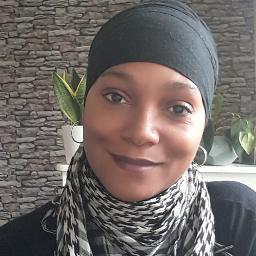
About Sharon
She has spent many years supporting women and girls affected by domestic and sexual violence, and those living with the after-effects of childhood sexual abuse and poor mental health. That background informs how she listens and responds to trauma, safety, and recovery. Sharon uses that experience to help people rebuild routines and trust in themselves.
Her approach is integrative. She draws on client-centred ways of working, cognitive behavioural ideas, psychodynamic listening, solution-focused techniques and trauma-focused methods. Sharon treats these as practical tools to address specific problems rather than labels on a person.
In sessions she focuses on clear goals such as feeling less anxious, sleeping better, handling parenting pressures, or finding more satisfaction at work and home. Conversations tend to look at thoughts and everyday habits, patterns in relationships, and small changes that add up over time.
Sharon pays attention to bodily and emotional experience as well as life stories. She aims to create a calm, respectful space where people can name problems, try small experiments, and build steadier coping strategies for the challenges they face.
Areas of expertise
Primary focus
Also works with
Additional focus areas
Therapeutic approaches
Experience
12+ years
Credentials
BACP · United Kingdom
Languages
English
How therapeutic approaches can work online
Sharon uses client-centred ways of working that prioritise listening and the client’s agenda. This approach focuses on understanding a person’s concerns and helping them say what matters most, which can be useful when sorting through day-to-day habits and thinking patterns.She also draws on cognitive behavioural therapy, which looks at links between thoughts, feelings and behaviours. CBT provides straightforward exercises and experiments to try between sessions and can help with anxiety, low mood, sleep and ADHD-related routines.
Choosing the right approach is part of the work together. Sharon discusses goals and preferences and helps decide which methods to use. That collaborative process means the plan can change as progress is made or new priorities emerge.
If you prefer online sessions, please confirm the exact formats available before booking as the biography does not list them. Online work can make it easier to fit therapy into busy days, allow shorter check-ins when needed, and reduce travel time. It also lets people use practical tools and homework between meetings so changes carry into everyday life.
Frequently asked questions
What types of issues does Sharon support?
She works with stress, anxiety, depression and a wide range of relationship and life concerns including grief, parenting strain, trauma and intimacy-related issues.
How would you describe her therapeutic style?
Her style is integrative and client-centred, using conversational listening and practical exercises from approaches such as CBT and solution-focused work.
What relevant experience does she bring?
She has 12 years' experience and has spent many years supporting women and girls affected by domestic and sexual violence and childhood sexual abuse.
What credentials and region are associated with this counsellor?
She is a member of the British Association of Counsellors & Psychotherapists (BACP) and practises in the United Kingdom.
Can sessions be conducted in languages other than English?
Sessions are offered in English.
What session formats are available?
The original biography does not list specific session formats; please confirm current session options before booking.
How much do sessions cost?
Cost varies with location and therapist availability; sessions use a subscription that can be cancelled at any time.
How do I begin working with Sharon?
Choose the Start Therapy button, complete a short matching questionnaire, and then schedule according to therapist availability.