- Thoughts and habits
- Body-mind focus
- Goal-directed care
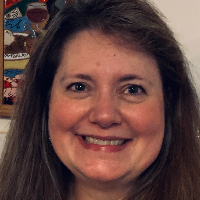
About Sharron
Sharron trained at the University of Washington, earning a Master of Social Work in 2001. She spent two years on an inpatient psychiatry unit at a Veterans Administration hospital in Seattle before returning to Louisiana. Since 2003 she has worked across child welfare, community mental health, and private hospital settings. For the past 13 years she has been the Clinical Director for an Intensive Outpatient Program where she led groups and provided individual therapy.
Her clinical style blends practical, skills-based methods with body-mind awareness. She uses Cognitive Behavioral Therapy, Dialectical Behavior Therapy, Acceptance and Commitment Therapy, mindfulness, and self-compassion approaches. In sessions she focuses on clarifying goals and building a plan you can follow between meetings.
Sharron emphasizes increasing body awareness as part of healing thoughts and habits. She helps people notice how physical patterns influence mood and behavior, and then practices small changes that make daily life easier. The work is collaborative and paced to each person.
People who meet with her can expect a warm, steady presence and an emphasis on practical steps. She aims to support growth, reduce distress, and strengthen coping skills for long-term change.
Areas of expertise
Primary focus
Also works with
Additional focus areas
Therapeutic approaches
Experience
24+ years
Credentials
Louisiana
Languages
English
How Sharron’s Approaches Work Online
Acceptance and Commitment Therapy (ACT) helps people notice thoughts without getting stuck in them and then commit to actions that match their values; it is useful for anxiety, depression, and coping with life changes. Attachment-Based Therapy focuses on how early relationships shape current patterns and aims to build safer ways of relating and connecting. Cognitive Behavioral Therapy (CBT) looks at the connection between thoughts, feelings, and behaviors and teaches clear strategies to change unhelpful thinking and habits.Finding the right approach is part of the work. The therapist will collaborate with each person to choose methods that fit their goals, needs, and day-to-day life. Initial sessions are used to clarify what matters most and to build an individualized plan that can be adjusted as therapy progresses.
Please confirm which session formats are available before booking, as formats were not specified in the biography. Online therapy can make sessions easier to fit into busy schedules and reduce travel time. It can also allow for brief check-ins, regular skill practice, and flexible scheduling around work or family commitments. Licensed professionals tailor the approach so skills learned in sessions transfer into everyday routines.
Frequently asked questions
What kinds of concerns does Sharron focus on?
She supports stress, anxiety, depression, addictions, trauma and abuse, grief, relationship and family concerns, intimacy-related issues, sleep problems, parenting stress, anger, self-esteem, career questions, bipolar disorder, and coping with life changes, among other issues.
How would you describe her therapy style?
Her style combines skills-based work and body-mind awareness. She uses practical exercises, goal setting, and mindfulness to help people change thoughts and everyday habits.
How much clinical experience does she have?
She has 24 years of experience working in systems such as child welfare, community mental health, private hospitals, and intensive outpatient programs.
What credentials and region are listed?
She is an LCSW licensed in Louisiana and completed a Master of Social Work at the University of Washington in 2001.
Which languages are supported for sessions?
Sessions are offered in English.
Are international clients supported?
International clients are not currently accepted.
How does cost and billing work?
Cost varies with location and therapist availability, and sessions use a subscription that can be canceled at any time.
What are the steps to begin therapy?
Use the Start Therapy button, complete a short matching questionnaire, and then schedule sessions according to therapist availability.